
What Is Dermatology Telehealth and How Does It Work?
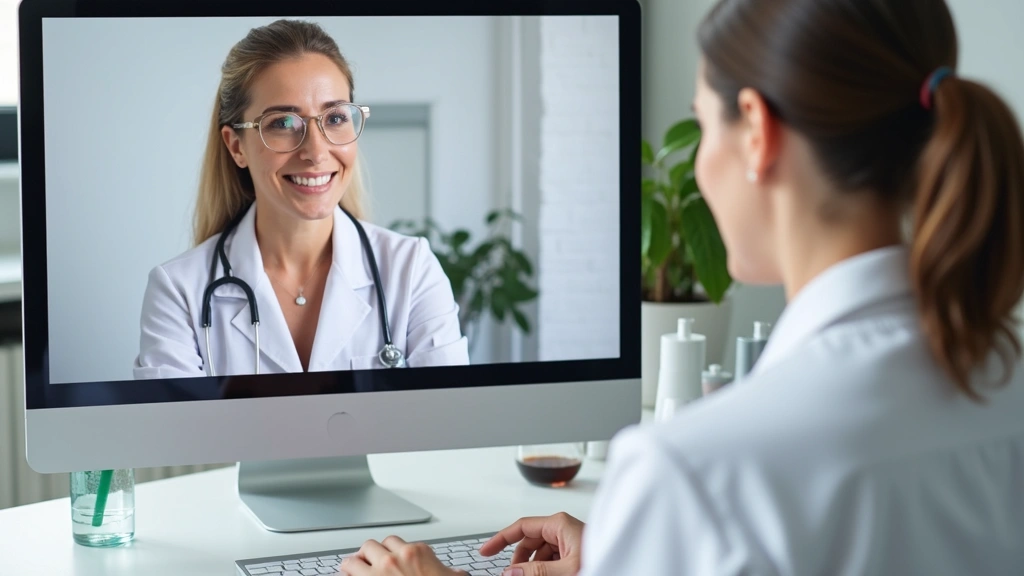
Dermatology telehealth has transformed how patients access skin care, making specialist consultations more accessible and affordable. The digital delivery model combines visual assessment, detailed patient history, and clinical expertise to diagnose and treat skin conditions remotely. As telemedicine continues expanding, dermatology has become one of the most successful specialties for virtual care, with millions of patients benefiting from remote consultations annually.
What Skin Conditions Can Be Diagnosed Through Dermatology Telehealth?
Dermatology telehealth works exceptionally well for conditions where visual assessment is sufficient for diagnosis. Acne, eczema, psoriasis, rosacea, dermatitis, and fungal infections represent the majority of telehealth consultations. Mole evaluation and skin cancer screening can occur via high-quality images, though suspicious lesions may warrant in-person biopsy. Fungal infections and other common dermatological issues are particularly well-suited for virtual treatment, with dermatologists prescribing topical and oral medications remotely.
How Do Dermatologists Examine Skin During Virtual Consultations?
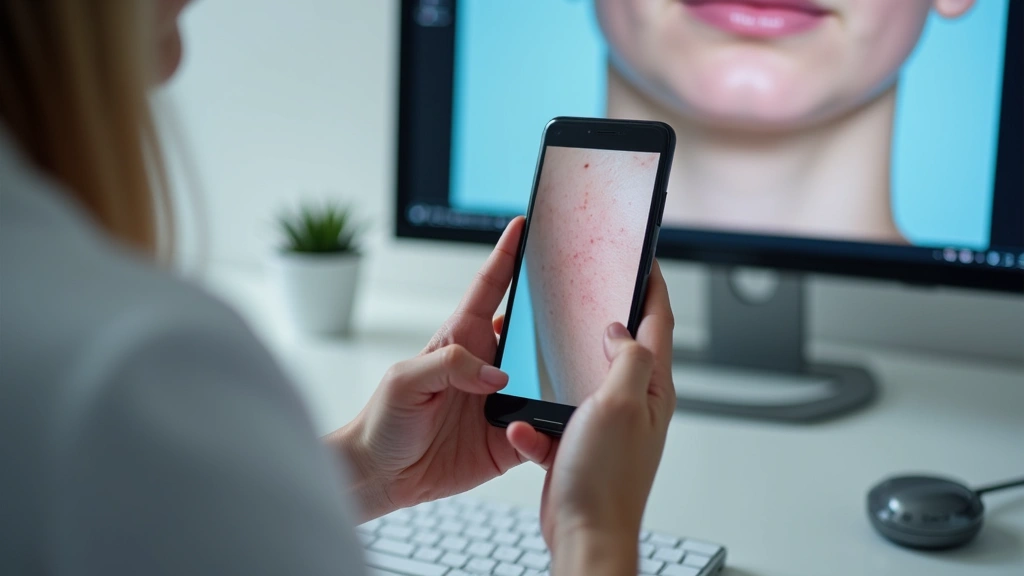
The virtual examination process relies on visual documentation and patient communication. Patients submit clear, well-lit photographs of the affected area before or during the consultation. Dermatologists examine these images on high-resolution screens, often with zoom capabilities to assess texture, color, and size. They conduct thorough questioning about symptom onset, triggers, previous treatments, and family history. Live video consultations allow real-time discussion and additional image requests from different angles or lighting conditions, creating a comprehensive assessment without physical palpation.
What Are the Benefits and Limitations of Dermatology Telehealth?
Telehealth dermatology eliminates travel time, reduces appointment wait times from weeks to days, and provides access to specialists regardless of geographic location. Patients avoid time off work and childcare arrangements. However, dermatologists cannot perform biopsies, laser treatments, chemical peels, or extractions remotely. Physical examination limitations mean certain conditions require in-person assessment. Telehealth prescribing capabilities enable medication delivery, but procedural interventions remain office-based.
How Much Does Dermatology Telehealth Cost?
The financial advantage of dermatology telehealth is substantial. Without facility overhead costs, providers pass savings to patients. Self-pay consultations range from $50-150, significantly lower than in-person visits averaging $150-300. Most major insurance carriers, including Medicare, now reimburse telehealth dermatology at rates comparable to office visits. Patients should verify coverage with their specific insurance plan before scheduling.

What Platforms Offer Dermatology Telehealth Services?
National telehealth platforms like Teladoc and Amwell connect patients with board-certified dermatologists. Specialty-focused services like Ro offer targeted dermatology care with prescription delivery. Many independent dermatology practices now offer their own telehealth consultations, providing continuity with established providers. Platform selection depends on insurance coverage, condition type, and preference for established dermatologists versus general network access.
When Should You Choose In-Person Dermatology Instead?
Certain dermatological needs require in-person evaluation. Suspicious moles, potential skin cancer, and lesions requiring biopsy necessitate office visits. Procedural treatments including laser therapy, chemical peels, and injectable treatments demand direct dermatologist access. Complex cases with multiple symptoms or unclear diagnoses may benefit from comprehensive physical examination. Specialized treatments and procedures remain office-based, though initial consultations can occur virtually.
Frequently Asked Questions
Is dermatology telehealth as effective as in-person visits?
Research demonstrates that dermatologists achieve diagnostic accuracy rates of 85-95% via telehealth for common conditions. Visual assessment combined with detailed patient history provides sufficient information for most cases. Procedural limitations exist, but diagnostic and treatment capabilities remain robust.
Can dermatologists prescribe medications through telehealth?
Prescribing authority varies by state and medication type, but most dermatologists can issue prescriptions for antibiotics, retinoids, antifungals, and other common treatments through telehealth platforms.
How do I prepare for a dermatology telehealth appointment?
Quality photos are essential for accurate assessment. Include multiple angles, close-ups, and full-body views if appropriate. Document symptom onset, triggers, previous treatments, and family history of skin conditions. Have your insurance information and medication list readily available.