
Common Eye Health Issues That Affect Dogs
Your dog’s eyes are windows to their health and happiness. Just like humans, dogs are susceptible to various eye conditions that can affect their vision and comfort. Understanding these common issues, their symptoms, and available treatments can help you protect your pet’s eyesight and catch problems early before they become serious.
Eye health problems in dogs are more prevalent than many pet owners realize. According to veterinary research, certain breeds face significantly higher risks for specific eye conditions, and age-related changes can affect dogs of any breed. Recognizing warning signs and seeking timely veterinary care can make the difference between maintaining vision and permanent sight loss.
What Are the Signs and Symptoms of Eye Problems in Dogs?
Early warning signs of eye problems are crucial to identify. If your dog frequently squints, blinks excessively, or rubs their eyes with their paws, these are clear indicators of discomfort. You may also notice a cloudy appearance to the lens, unusual discharge ranging from clear to thick and colored, or excessive tearing. Behavioral changes like bumping into objects, hesitating on stairs, or avoiding play in low light can signal vision deterioration.
What Causes Eye Diseases in Dogs?
Eye diseases in dogs stem from multiple factors. Genetic predisposition plays a major role—some breeds inherit tendencies toward cataracts or retinal problems. Age-related changes are inevitable, as senior dogs develop presbyopia and lens opacity. Environmental factors including allergies, dust, and dry indoor conditions trigger inflammatory eye problems. Infections from bacteria or viruses, physical trauma from fights or accidents, and systemic diseases like diabetes can all compromise eye health.

How Are Dog Eye Problems Diagnosed and Treated?
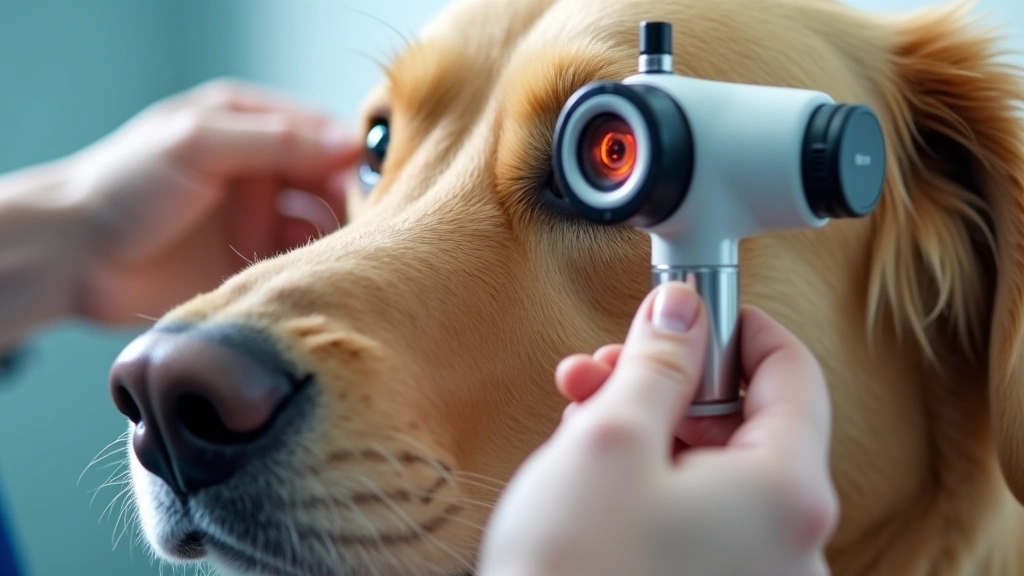
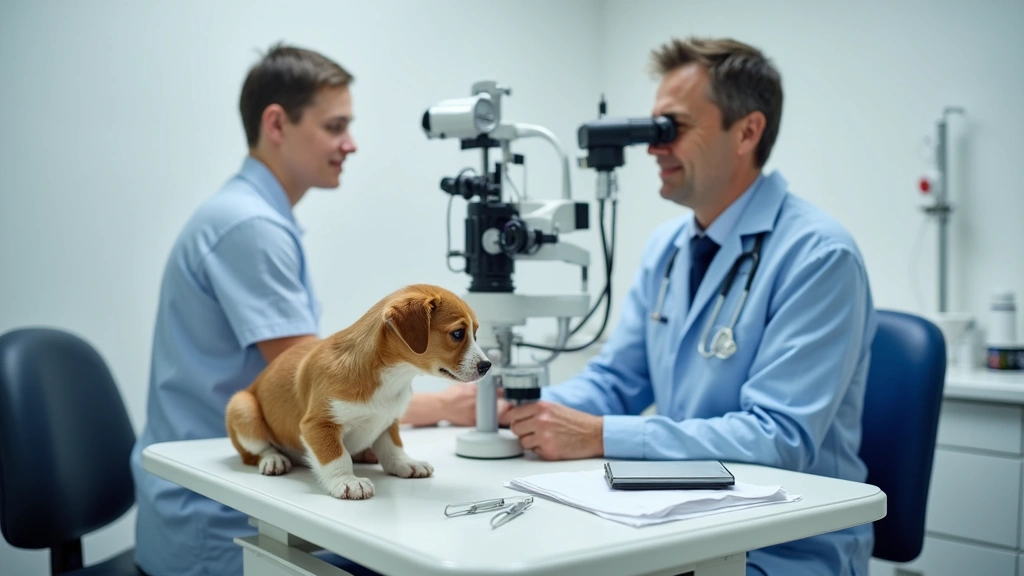
Professional diagnosis is essential for proper treatment. Your veterinarian will perform a thorough eye examination using specialized equipment like an ophthalmoscope and slit lamp. For conditions like glaucoma, tonometry measures intraocular pressure. Treatment options vary widely: dry eye syndrome responds to lubricating drops and medications, corneal ulcers require antibiotic ointments, and cataracts may necessitate surgical removal. Advanced cases like progressive retinal atrophy currently have no cure, making early detection and management of secondary symptoms critical.
Which Dog Breeds Are Prone to Eye Health Issues?
Breed-specific vulnerabilities exist across dog populations. Flat-faced breeds (brachycephalic) like Pugs and Bulldogs experience corneal problems due to their prominent eyes and shallow eye sockets. Cocker Spaniels and Golden Retrievers show higher incidence of cataracts and glaucoma. Dalmatians are prone to deafness and eye issues, while Collies can develop collie eye anomaly. Understanding your dog’s breed predispositions helps you stay vigilant and schedule preventive screenings earlier.
How Can You Prevent Eye Problems in Dogs?
Proactive eye care significantly reduces disease risk. Schedule annual eye exams with your veterinarian, or more frequently for senior dogs and breed-prone individuals. Keep your dog’s eyes clean by gently wiping away discharge with a damp cloth. Protect eyes from irritants by managing indoor humidity levels and minimizing dust exposure. Address allergies promptly, as chronic inflammation damages eye tissue. Provide a diet rich in vitamins A, C, E, and omega-3s to support ocular health. Prevent injuries by supervising outdoor play and avoiding rough games that risk eye trauma.
When Should You Take Your Dog to the Vet for Eye Issues?
Timing matters significantly in eye emergencies. Visit your veterinarian immediately if your dog experiences sudden vision loss, severe eye pain, or signs of trauma. Don’t delay with conditions like corneal ulcers or acute glaucoma attacks, as these can cause permanent blindness within hours. For non-emergency concerns like mild discharge or occasional squinting, schedule an appointment within a few days. Establish a relationship with a veterinary telemedicine service for quick initial consultations when you’re unsure about symptom severity.
Frequently Asked Questions
Can dog eye problems be cured?
Curability depends on the specific condition and stage of diagnosis. Infections respond well to antibiotics, allergic reactions improve with allergen avoidance and medications, and cataracts can be surgically removed. However, inherited degenerative diseases have no cure, only management strategies to maintain quality of life.
How much does treatment for dog eye problems cost?
Pet insurance covering eye conditions can significantly reduce out-of-pocket expenses. Consult your veterinarian about payment plans for major procedures.
Are there home remedies for dog eye problems?
Never use human eye drops or medications on dogs without veterinary approval, as some can cause serious harm. Always seek professional guidance for proper diagnosis and treatment planning through online veterinary appointments when needed.