

What Is a Family Health Source and How Can It Help Manage Family Healthcare?
Managing healthcare for a family involves juggling multiple appointments, tracking various medical histories, and ensuring everyone receives appropriate preventive care. A family health source simplifies this complexity by serving as a single point of contact for all family members’ healthcare needs. Whether you’re managing care for young children, aging parents, or multiple generations, having a dedicated family health source creates continuity and improves overall health outcomes.
The concept of a family health source has evolved significantly with advances in healthcare technology and the shift toward value-based care models. Modern family health sources integrate digital tools, patient portals, and coordinated care protocols to make family healthcare more accessible and efficient than ever before.
What Are the Different Types of Family Health Sources Available?
Primary care physicians specializing in family medicine remain the traditional backbone of family healthcare. These doctors train specifically to care for patients from infancy through geriatrics, making them ideal for managing multi-generational families. Community health centers and federally qualified health centers (FQHCs) offer affordable, comprehensive family services regardless of insurance status. Telehealth platforms have revolutionized access by allowing families to consult providers remotely, eliminating geographic barriers. Integrated health systems combine hospitals, clinics, and specialists under one umbrella, enabling seamless care coordination. Many families now use hybrid approaches, combining traditional in-person care with online doctor visits for convenience and accessibility.
How Does a Family Health Source Coordinate Care for Multiple Family Members?
Effective care coordination is the cornerstone of quality family healthcare. A centralized family health source maintains complete medical histories for each family member, eliminating duplicate testing and reducing the risk of adverse drug interactions. These providers track immunization schedules, preventive screenings, and chronic disease management protocols tailored to each person’s age and health status. When family members see specialists, the family health source receives reports and coordinates follow-up care, ensuring nothing falls through the cracks. This integrated approach reduces emergency room visits by up to 20% according to the American Academy of Family Physicians.
What Are the Benefits of Using a Single Family Health Source?
Consolidating family healthcare with a single source delivers measurable advantages. Families experience 30-40% fewer medication errors when all prescriptions flow through one provider who understands each member’s complete health picture. Appointment scheduling becomes streamlined—many family health sources offer block scheduling where multiple family members can be seen in one visit. Preventive care improves significantly because providers maintain systematic tracking of wellness milestones for each age group. Patients report higher satisfaction and better health literacy when they have consistent provider relationships. Additionally, families save time and money by reducing unnecessary tests and emergency visits.

How Do You Choose the Right Family Health Source for Your Needs?
Selecting the right family health source requires evaluating several key factors. Verify that your insurance is accepted and understand the cost-sharing structure. Location matters—choose a provider within reasonable distance for urgent visits, though telehealth options can supplement in-person care. Research provider credentials, board certification in family medicine, and patient reviews. Ask about after-hours availability and urgent care access, especially important for families with young children. Confirm they serve your family’s entire age range and offer preventive services aligned with CDC guidelines. Test their patient portal and communication systems before committing.
What Information Should a Family Health Source Maintain?
A comprehensive family health source maintains detailed, organized records for each family member. These include complete medical histories dating back years, current medication lists with dosages, documented allergies and adverse reactions, and immunization records. Chronic condition management plans, surgical histories, and family health patterns are critical for identifying genetic risks. Emergency contact information and healthcare proxies ensure continuity during crises. Medical advice documentation and visit notes create accountability and continuity. Modern systems also track preventive care due dates, lab results, and imaging reports in one accessible location.
How Can Families Access Their Health Information From a Family Health Source?
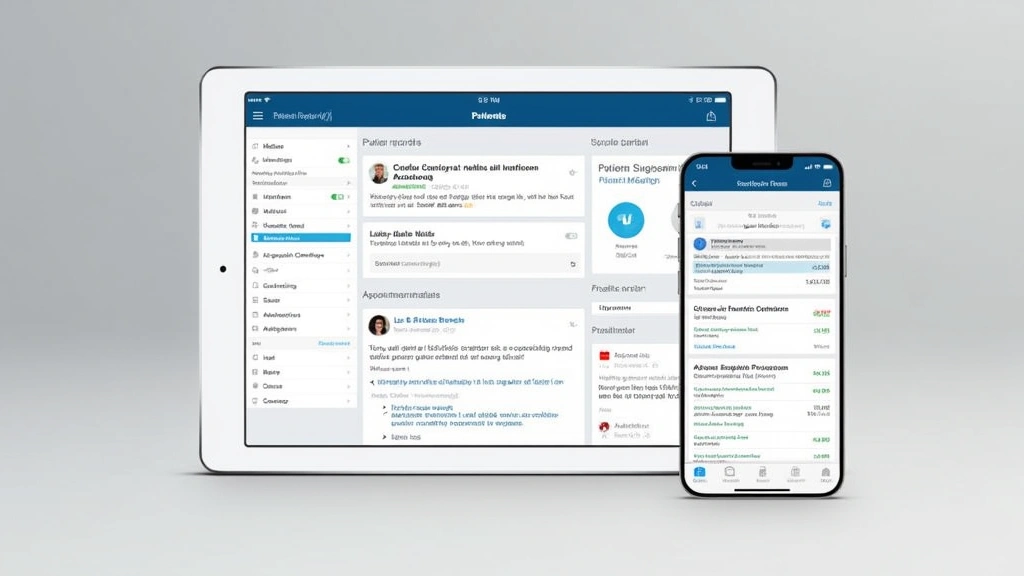
Digital access to health information has become essential in modern family healthcare. Patient portals allow authorized family members to view test results, medication lists, and visit summaries in real-time. Mobile apps extend access beyond desktop computers, enabling quick reference during emergencies or specialist visits. Secure messaging systems facilitate non-urgent communication with providers, reducing phone tag and improving response times. Many systems offer appointment reminders, prescription refill requests, and bill payment options. For families managing multiple members’ care, parent or guardian accounts can oversee children’s records while respecting privacy for adult family members. These tools enhance engagement and treatment adherence across the family unit.
Frequently Asked Questions
Can a family health source manage care for elderly parents and young children simultaneously?
Family medicine is specifically designed for this purpose, with providers trained in caring for all ages and managing the unique health needs each generation presents.
What happens if a family member needs specialized care beyond the family health source?
The family health source acts as a care coordinator, requesting specialist reports and maintaining oversight of all treatments to ensure comprehensive family health management.
How does a family health source handle privacy when managing multiple adult family members?
Adult family members maintain complete privacy while children’s records can be managed by parents or guardians, balancing family coordination with individual confidentiality rights.