

Best Female Health Supplements: How to Choose What You Actually Need
Women’s nutritional needs differ significantly from men’s, particularly during reproductive years, pregnancy, and menopause. Rather than taking every supplement available, the most effective approach involves identifying your specific deficiencies and health goals, then selecting evidence-based products from reputable manufacturers.
This guide covers the essential supplements women need, how to choose quality products, and when to consult healthcare providers for personalized recommendations.
What Are the Most Important Vitamins and Minerals Women Need?
Iron is critical for women of reproductive age, as menstruation causes monthly blood loss. Calcium and vitamin D work together to maintain bone density, which becomes increasingly important as women age. B vitamins support energy metabolism and mood regulation, while magnesium aids sleep quality and hormonal balance. Omega-3 fatty acids reduce inflammation and support heart and brain health.
How Do Female Health Supplements Differ by Age or Life Stage?
Women in their 20s-30s benefit from prenatal vitamins if planning pregnancy, plus iron and folate. During perimenopause (typically 40s-50s), black cohosh, sage, and additional calcium become relevant. Postmenopausal women should prioritize vitamin D, calcium, and consider consulting an online primary care doctor about hormone-related symptoms like hot flashes, which may benefit from prescription treatment options.

What Are the Benefits and Risks of Taking Female Health Supplements?
Supplements can fill dietary gaps and reduce deficiency symptoms like fatigue or bone loss. However, excess iron or calcium can cause constipation and kidney stones, while some supplements interact with birth control or blood pressure medications. The FDA doesn’t regulate supplements as strictly as medications, making third-party testing essential.
How Do I Know Which Female Health Supplements I Actually Need?
Blood tests reveal iron, vitamin D, and B12 levels. An online healthcare provider can review your results and recommend targeted supplements. Avoid the “kitchen sink” approach of taking multiple supplements without evidence of need.
What Should I Look for When Choosing a Female Health Supplement Brand?
Reputable brands display NSF or USP certifications, indicating independent quality testing. Check ingredient lists for unnecessary fillers and verify dosages match scientific recommendations. Read reviews from verified purchasers and consult resources like NIH Office of Dietary Supplements for evidence-based information.
Are There Natural Alternatives to Female Health Supplements?
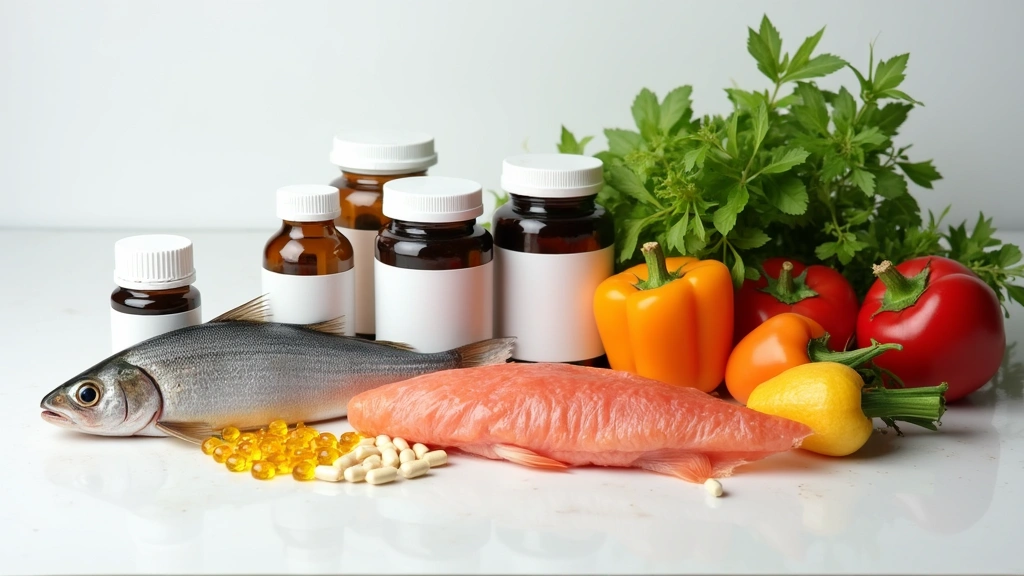
Spinach and kale provide iron and magnesium, salmon offers omega-3s and vitamin D, and Greek yogurt supplies calcium. However, bioavailability varies, and busy schedules often make supplementation necessary. Food-first approaches work best when combined with targeted supplements for documented deficiencies.
Frequently Asked Questions
Can female health supplements interfere with birth control?
Discuss all supplements with your provider to avoid dangerous interactions.
Is it safe to take supplements during pregnancy?
Prenatal vitamins containing folic acid reduce birth defects significantly.
When should I see a doctor about female health concerns instead of just taking supplements?
Professional guidance ensures safe, personalized treatment plans tailored to your health profile.