
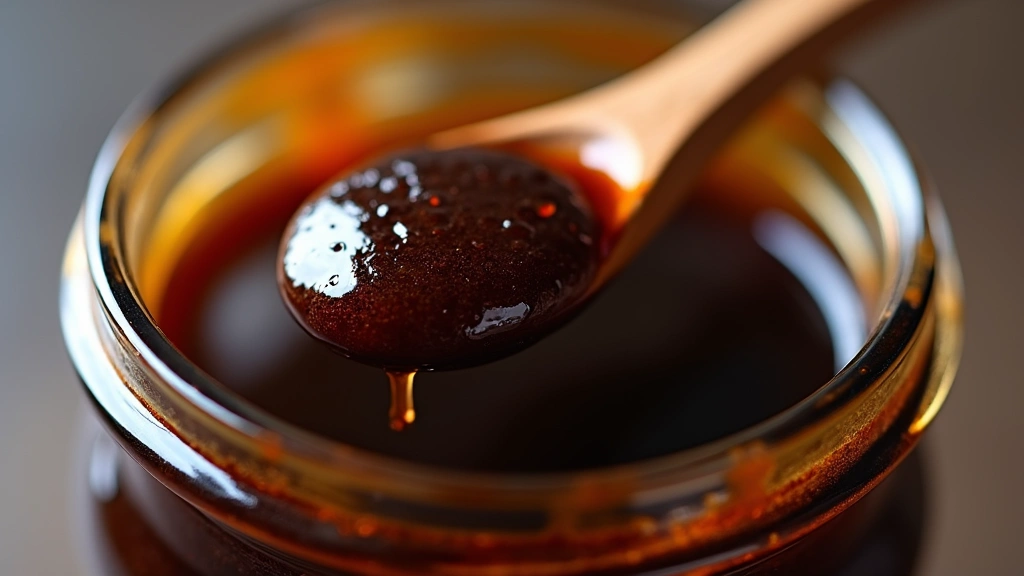
Is Molasses Good for Your Health?
Molasses is a byproduct of sugar refining that has been used in traditional medicine and cooking for centuries. Unlike refined white sugar, molasses retains minerals and nutrients stripped away during processing, making it a more nutrient-dense sweetening option. However, understanding the balance between its nutritional benefits and sugar content is essential for determining whether it fits into a healthy diet.
This guide explores the health implications of molasses, helping you make informed decisions about incorporating it into your diet while managing overall sugar intake and health goals.
What Are the Nutritional Benefits of Molasses?
One tablespoon of blackstrap molasses provides approximately 20% of the daily recommended iron intake, 12% of calcium, and significant amounts of magnesium and potassium. These minerals support bone health, muscle function, and oxygen transport throughout the body. Molasses also contains B vitamins that aid energy metabolism and nervous system function, distinguishing it from empty-calorie sweeteners.
How Much Sugar Does Molasses Contain Compared to Other Sweeteners?
While molasses does contain significant sugar, it has a glycemic index of 55 compared to white sugar’s 68, meaning it causes a slower blood sugar rise. This makes it a better choice for blood sugar management than refined sweeteners, though it still requires portion control.

What Are the Potential Health Risks of Consuming Molasses?
Despite its benefits, molasses remains calorie-dense at 64 calories per tablespoon. Overconsumption can lead to weight gain and dental decay. People managing diabetes or seeking weight loss should monitor intake carefully.
Can Molasses Help with Iron Deficiency or Anemia?
Blackstrap molasses contains non-heme iron, which your body can absorb when paired with vitamin C sources. However, consult a healthcare provider about anemia treatment, as dietary sources alone may not address severe deficiencies.

What Is the Recommended Daily Amount of Molasses?
This modest amount provides mineral benefits while keeping added sugar within recommended limits. The American Heart Association suggests limiting added sugars to 6-9 teaspoons daily, making molasses a measured addition to your diet.
Are There Specific Health Conditions Where Molasses Is Beneficial or Harmful?
If you have symptoms of blood sugar dysregulation or are taking medications that interact with molasses, consult your doctor. For personalized guidance on whether molasses fits your health plan, consider speaking with an online doctor.
Frequently Asked Questions
Is blackstrap molasses better than regular molasses for health?
Blackstrap is the final byproduct of sugar processing and retains the most minerals compared to light or dark molasses varieties.
Can molasses replace medical treatment for anemia?
Always follow your healthcare provider’s recommendations for treating iron deficiency anemia.
Is molasses safe for people with diabetes?
Consult your doctor or dietitian about appropriate sweetener choices for your diabetes management plan.