

KU Scholars in Urban Health: Program Overview and Opportunities
The University of Kansas recognizes that urban health challenges require specialized training and dedicated leadership. This program represents a strategic investment in developing the next generation of health researchers and practitioners committed to reducing health inequities in cities across America. By combining rigorous academic preparation with real-world community partnership, KU Scholars in Urban Health creates a unique pathway for professionals seeking meaningful impact.
Urban communities face distinct health challenges including limited healthcare access, chronic disease burden, and systemic health disparities. The program directly addresses these issues by preparing scholars who understand both the scientific evidence and the community context necessary for effective intervention.
What is the Mission and Focus of the KU Scholars in Urban Health Program?
KU Scholars in Urban Health focuses on the intersection of research, practice, and community engagement. The program emphasizes understanding social determinants of health, health equity frameworks, and implementation science specific to urban contexts. Scholars learn to design and execute research that directly translates to improved health outcomes in cities.
Who is Eligible to Apply for the KU Scholars in Urban Health Program?
The program welcomes applicants from diverse academic backgrounds including public health, medicine, nursing, epidemiology, social work, and health sciences. Candidates should demonstrate commitment to health equity and readiness to engage in community-based research. Prior experience in urban health settings is valuable but not always required.
What Training and Resources Does KU Scholars in Urban Health Provide?
Scholars receive comprehensive support including one-on-one mentorship, access to research resources, and funding to support their urban health projects. The program also provides training in grant writing, qualitative and quantitative research methods, and community engagement strategies. Healthcare technology integration and digital health applications are increasingly incorporated into training.
How Does KU Scholars in Urban Health Engage with Urban Communities?
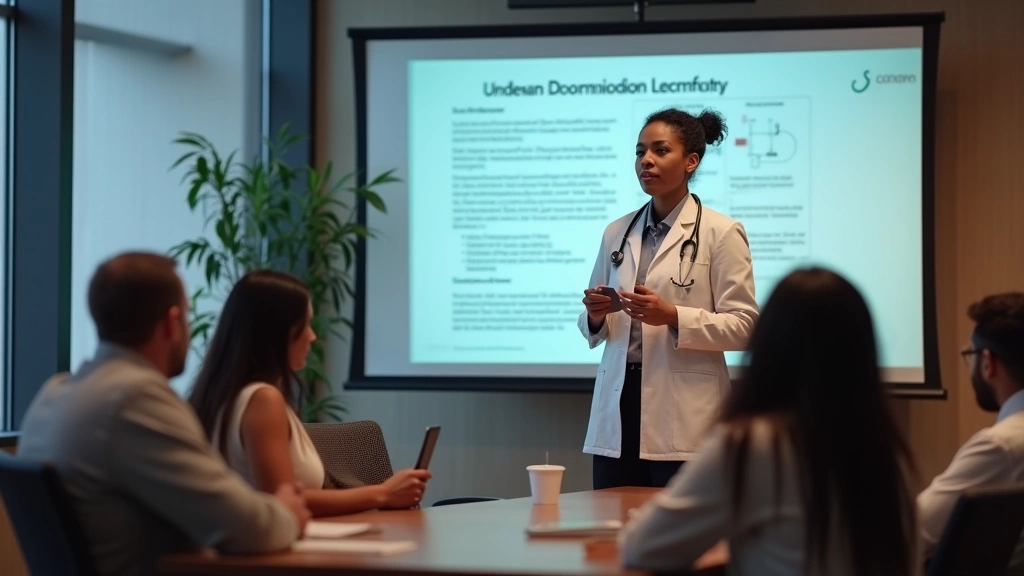
Community engagement is central to the program’s philosophy. Rather than studying urban health from a distance, scholars work directly with community members, local health departments, and nonprofit organizations. This partnership approach ensures research questions reflect community priorities and findings are immediately applicable to practice.
What Are the Career Outcomes for KU Scholars in Urban Health Graduates?
Program alumni hold leadership positions in universities, government health agencies, and nonprofit organizations dedicated to health equity. Many establish independent research programs, lead community health initiatives, or advance healthcare executive roles focused on urban health improvement.

How Does KU Scholars in Urban Health Compare to Other Urban Health Programs?
While many universities offer health-related graduate programs, KU Scholars in Urban Health uniquely prioritizes community-engaged research and health equity from the program’s foundation. The emphasis on mentorship, dedicated funding, and urban-specific training creates a differentiated experience for scholars committed to health disparities work.
Frequently Asked Questions
How long is the KU Scholars in Urban Health program?
The flexible timeline accommodates different career stages and research projects while ensuring scholars develop deep expertise in urban health.
Does KU Scholars in Urban Health provide financial support?
Financial support removes barriers to participation and enables scholars to focus on quality research and community engagement without financial strain.
What is the application process for KU Scholars in Urban Health?
The selection process emphasizes commitment to health equity and community engagement alongside academic credentials. For more information, contact the University of Kansas School of Medicine or visit the program’s official website through your institution’s research portal.