

What Are the Best Mental Health Apps Available?
Mental health apps have transformed how millions of people access support for anxiety, depression, stress, and overall wellness. With over 10,000 mental health apps available in app stores, choosing the right one requires understanding what each type offers and how they align with your specific mental health goals.
Whether you’re seeking meditation guidance, professional therapy, or daily mood tracking, mental health apps provide flexible, affordable alternatives to traditional in-person care. Many apps are backed by clinical research and offer evidence-based treatments like cognitive behavioral therapy (CBT) and mindfulness-based stress reduction (MBSR).
What Types of Mental Health Apps Are Available?
The mental health app landscape includes meditation platforms like Headspace and Calm, which guide users through breathing exercises and mindfulness sessions. Therapy apps such as BetterHelp and Talkspace connect users with licensed therapists for video, phone, or text-based counseling. Mood tracking apps like Moodpath and Daylio help users identify emotional patterns, while crisis apps provide immediate support during mental health emergencies.
How Do Mental Health Apps Work?
Meditation apps use audio guidance and timers to teach relaxation techniques accessible anywhere, anytime. Teletherapy apps like those discussed in our guide to online doctor visits match users with licensed mental health professionals for real-time or asynchronous communication. Mood tracking apps use daily check-ins and journaling to identify triggers and patterns in mental health symptoms.

Are Mental Health Apps Effective?
Clinical studies published by the National Institute of Mental Health demonstrate that digital mental health interventions reduce anxiety and depressive symptoms by 20-40% in users with mild to moderate conditions. Teletherapy apps show comparable effectiveness to in-person therapy for many patients. However, serious mental health conditions require professional oversight that apps alone cannot provide.
How Much Do Mental Health Apps Cost?
Meditation apps like Calm offer free trials with premium subscriptions around $15 monthly. Therapy platforms charge per session or monthly memberships, typically $65-90 weekly. Many insurance plans now cover teletherapy apps, making professional mental health support more accessible. The integration of AI in healthcare is reducing costs by automating initial assessments and providing preliminary support.
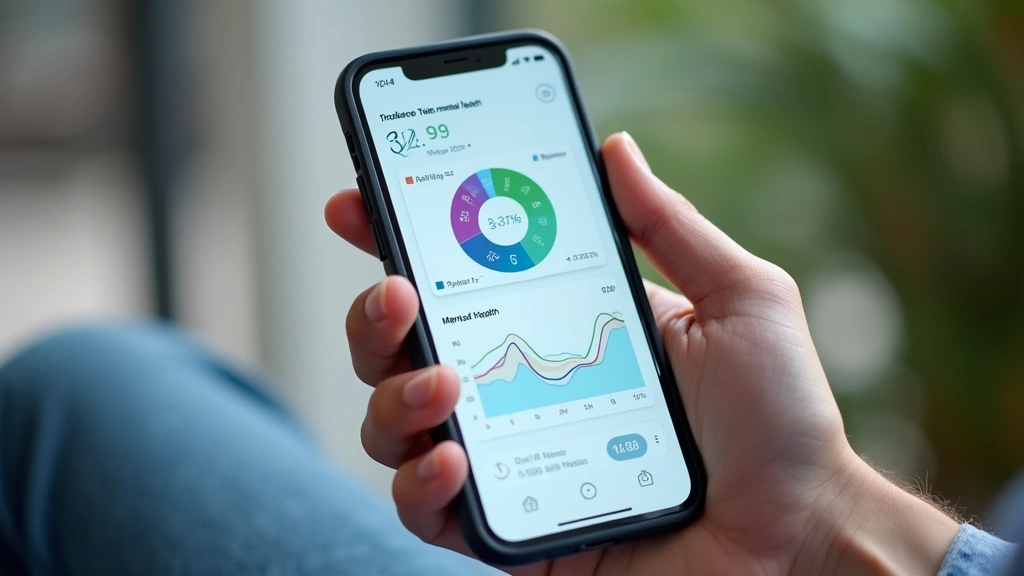
What Should I Look for When Choosing a Mental Health App?
Verify that any therapy app employs licensed mental health professionals. Check HIPAA compliance and data encryption standards. Look for apps using evidence-based treatments like CBT or dialectical behavior therapy (DBT). Read verified user reviews and confirm insurance coverage before signing up. The evolving regulatory landscape means checking current licensing requirements is essential.
Frequently Asked Questions
Can mental health apps replace therapy?
Apps are excellent for daily wellness maintenance and mild symptoms but cannot diagnose conditions or provide crisis intervention like licensed therapists can.
What are the privacy and security concerns with mental health apps?
Mental health data is highly sensitive. Always review privacy policies, confirm end-to-end encryption, and avoid apps that sell data to third parties. HIPAA-compliant apps provide stronger legal protections for your information.
Which mental health app is best for anxiety?
Choose based on whether you prefer self-guided techniques or professional guidance for your anxiety symptoms.