

What Is Mental Health Art and How Does It Benefit Wellbeing?
Creative expression has been recognized as a powerful healing tool for centuries, but modern psychology has now validated what artists have long known: making art is fundamentally therapeutic. Mental health art encompasses both informal creative practices and structured therapeutic interventions designed to support emotional wellbeing. Whether you’re sketching in a journal or working with a licensed art therapist, the act of translating internal experiences into visual form activates unique neural pathways that promote healing and self-discovery.
The beauty of mental health art is its accessibility—no special talent or training is required. Anyone can benefit from picking up a pencil, brush, or clay to explore their inner world. This article explores what mental health art is, its documented benefits, and how to get started on your own creative wellness journey.
What Are the Specific Mental Health Benefits of Creating Art?
Creating art activates the parasympathetic nervous system, the body’s natural relaxation response. When you engage in focused creative work, your brain shifts away from rumination and stress-focused thinking. Research shows that just 45 minutes of art-making can significantly lower cortisol levels, the primary stress hormone. Beyond stress reduction, art provides a non-verbal channel for emotions that may be difficult to articulate through conversation alone. This is especially valuable for individuals processing trauma, grief, or complex psychological experiences.
How Does Art Therapy Differ From Creating Art for Mental Health on Your Own?
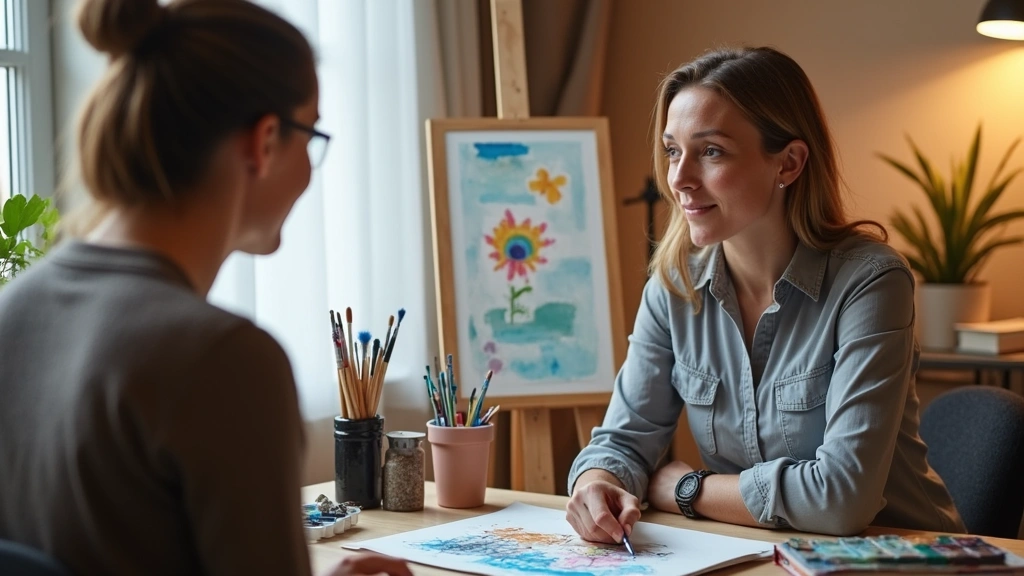
While both approaches offer mental health benefits, art therapy is a regulated clinical practice. Licensed art therapists hold master’s degrees and complete supervised clinical training hours. They use artwork as a diagnostic and therapeutic tool, helping clients explore unconscious patterns and emotional blocks. Personal art practice, by contrast, is self-directed—you create at your own pace without professional interpretation. Both are valuable; therapy is ideal for serious mental health conditions, while personal practice works well for ongoing stress management and self-exploration.
Telehealth has expanded access to professional art therapy. Through telehealth platforms, licensed therapists can now guide clients through art exercises via video, making professional support more accessible than ever.
What Types of Art Activities Are Most Effective for Mental Health?
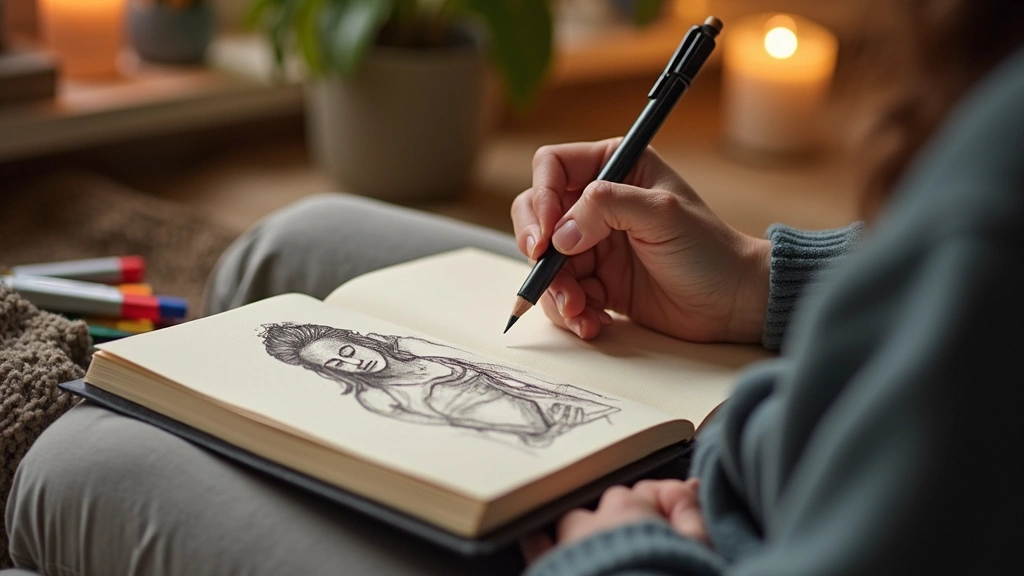
The most effective art form is the one you’ll actually do. Drawing and sketching require minimal materials and are excellent for anxiety relief. Painting engages larger motor movements and is particularly helpful for releasing pent-up emotions. Collage combines creativity with mindfulness and works well for processing identity issues. Sculpture and clay work provide tactile, grounding experiences beneficial for trauma survivors. Coloring, often underestimated, offers meditative focus and is accessible for all skill levels.
Can Art Therapy Be Delivered Through Telehealth Platforms?
Telehealth art therapy has proven effective for many clients. Therapists can observe your creative process on camera, discuss your artwork, and provide real-time guidance. You create at home using your own materials, making it convenient and cost-effective. Remote patient monitoring capabilities also allow therapists to track your progress between sessions through shared artwork and journaling.
What Does Research Say About the Effectiveness of Art for Mental Health?
The American Art Therapy Association and peer-reviewed research consistently demonstrate art’s mental health impact. A National Institutes of Health study found that art therapy reduced anxiety by 26% in cancer patients. Research also shows benefits for PTSD, depression, and stress-related disorders. The creative process itself—not artistic skill—drives these benefits, making art therapy universally applicable.
How Can Someone Get Started With Art for Mental Health if They Have No Artistic Experience?
Start with low-pressure activities: grab a pencil and paper and doodle without judgment, use adult coloring books, or follow simple online tutorials. The goal isn’t creating masterpieces—it’s engaging in the process. Set aside 15-30 minutes regularly, create a comfortable space, and allow yourself to experiment. Digital tools and apps can also guide beginners through structured creative exercises.
Are There Certified Art Therapists and What Credentials Should I Look For?
The Art Therapy Credentials Board (ATCB) certifies qualified practitioners. Look for LCAT (Licensed Creative Arts Therapist) or AATA-approved credentials. Verify licensure through your state’s health department. Certified therapists have completed master’s-level training, 1,000+ supervised clinical hours, and ongoing continuing education. This ensures you’re receiving evidence-based treatment from a qualified professional.
Frequently Asked Questions
Is mental health art the same as art therapy?
Mental health art includes personal creative practice, hobby art, and informal expression. Art therapy is a regulated clinical discipline requiring professional credentials and specialized training in psychological assessment and treatment.
How often should I practice art for mental health benefits?
Consistency matters more than duration. Daily practice provides cumulative benefits, but even three sessions weekly can significantly reduce anxiety and improve mood over time.
Can art therapy replace medication or traditional therapy?
For serious mental health conditions, art therapy enhances conventional treatment but shouldn’t replace it. Consult with your healthcare provider about integrating art into your overall mental health plan.