

What Are Mental Health Coloring Pages and How Can They Help With Wellness?
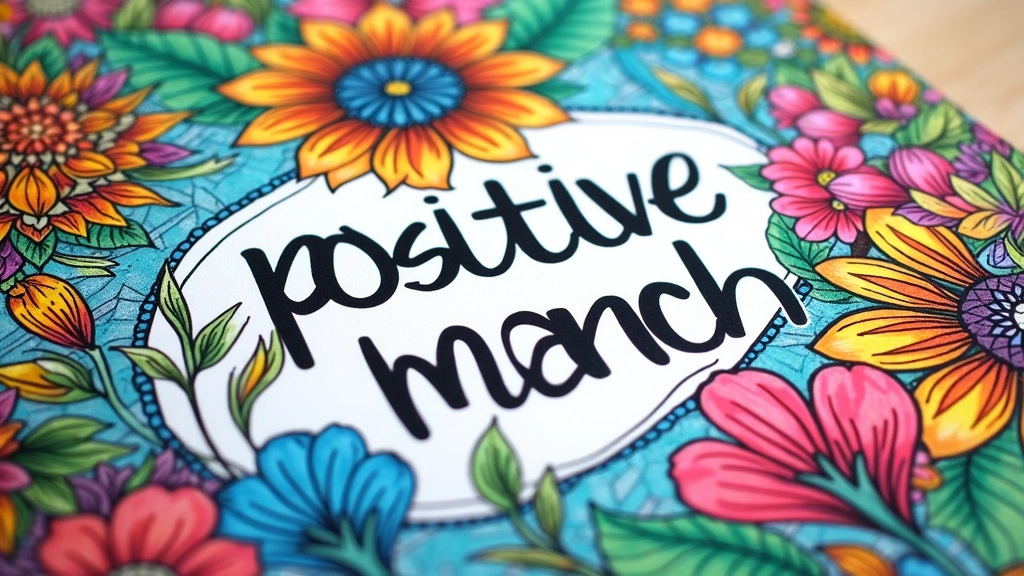
Coloring has evolved beyond childhood entertainment into a recognized therapeutic practice. Mental health coloring pages integrate psychological principles with creative expression, offering a low-cost, accessible intervention for managing emotional distress. These pages feature intentional designs—from geometric patterns to nature scenes—paired with positive affirmations and mindfulness prompts that guide users toward calmer mental states.
The popularity of mental health coloring pages has grown significantly as individuals seek complementary wellness tools alongside professional treatment. Whether used during therapy sessions or as independent self-care, these pages provide a tangible, grounding activity that engages both mind and hand.
What Are the Mental Health Benefits of Coloring Pages?
Research demonstrates that coloring activates the parasympathetic nervous system, triggering a relaxation response similar to meditation. The repetitive motion and color selection require enough cognitive engagement to interrupt rumination and worry cycles, while remaining simple enough to feel achievable. Studies show coloring can reduce anxiety symptoms in both clinical and non-clinical populations, making it valuable for anyone managing stress or emotional dysregulation.
What Types of Mental Health Coloring Pages Are Available?
Specialized coloring pages address different mental health needs. Anxiety-focused pages feature intricate mandalas and geometric patterns that promote focus. Depression-support pages incorporate uplifting affirmations like “I am worthy” and “I choose hope.” Trauma-informed designs use grounding techniques with nature imagery and body-awareness prompts. Some pages target specific conditions with evidence-based coping strategies integrated into the visual design.

Where Can I Find Free or Downloadable Mental Health Coloring Pages?
Free resources are widely available through NAMI (National Alliance on Mental Illness), mental health nonprofits, and psychology education websites. Many therapists share downloadable pages on their practice websites. Mental health apps now include digital coloring features with guided mindfulness exercises. Pinterest boards dedicated to therapeutic coloring offer thousands of free designs, though verification of therapeutic design principles varies.
How Do Therapists Use Coloring Pages in Mental Health Treatment?
Licensed therapists use coloring strategically during sessions to help clients who struggle with verbal expression or emotional dysregulation. Coloring serves as a grounding technique during anxiety spikes, helping clients reconnect with the present moment. Therapists assign coloring as between-session homework to reinforce coping strategies and provide accessible self-care during difficult periods. This approach works particularly well in virtual therapy settings where clients can engage simultaneously with their therapist.
Are Mental Health Coloring Pages Effective for Anxiety and Depression?
Peer-reviewed studies published in journals like the Art Therapy Journal demonstrate measurable reductions in anxiety when participants engage in therapeutic coloring. However, coloring functions best as a complementary tool rather than standalone treatment for clinical depression or severe anxiety disorders. It pairs effectively with professional mental health care, medication, and evidence-based therapies like CBT or DBT.
What Should I Look For in a Quality Mental Health Coloring Page?
Quality mental health coloring pages balance aesthetic appeal with therapeutic purpose. Look for designs that incorporate evidence-based calming imagery like nature scenes, mandalas, or abstract patterns. Verify that pages include positive affirmations or grounding prompts integrated into the design. Complexity should match your skill level—too simple feels childish; too complex creates frustration. Pages created by licensed therapists or mental health organizations typically incorporate psychological principles more effectively than generic coloring designs.
Frequently Asked Questions
Can coloring pages replace professional mental health treatment?
Mental health coloring pages work best as part of a comprehensive wellness approach alongside professional care.
How often should I use mental health coloring pages?
Consistency matters more than duration. Regular practice builds the habit of reaching for coloring as a healthy coping mechanism.
Are there coloring pages for specific mental health conditions?
Condition-specific pages integrate evidence-based techniques like grounding exercises, thought-challenging affirmations, and trauma-informed imagery tailored to individual needs.