

Mental Health Drawings: Therapeutic Benefits and How to Get Started
Drawing has been recognized as a powerful therapeutic tool for decades, offering a bridge between the conscious and unconscious mind. Unlike traditional talk therapy, mental health drawings provide a non-verbal pathway to emotional healing and self-discovery. Whether you’re managing anxiety, processing grief, or simply seeking better emotional awareness, drawing can become a cornerstone of your mental wellness routine.
The beauty of mental health drawings lies in their accessibility and flexibility. You don’t need artistic talent or expensive materials—just a willingness to express yourself visually. This practice has gained significant attention in clinical settings and among individuals pursuing wellness strategies.
What is Art Therapy and How Do Drawings Support Mental Health?
Art therapy combines psychology and artistic expression to facilitate emotional healing. Licensed art therapists are trained to interpret visual symbolism and guide clients through the creative process. Research shows that drawing activates multiple brain regions simultaneously, enhancing cognitive processing and emotional regulation. When you draw, you engage both hemispheres of your brain—the logical side processes the physical act of drawing, while the creative side processes emotions and meaning.
What Types of Mental Health Drawings Are Most Therapeutic?
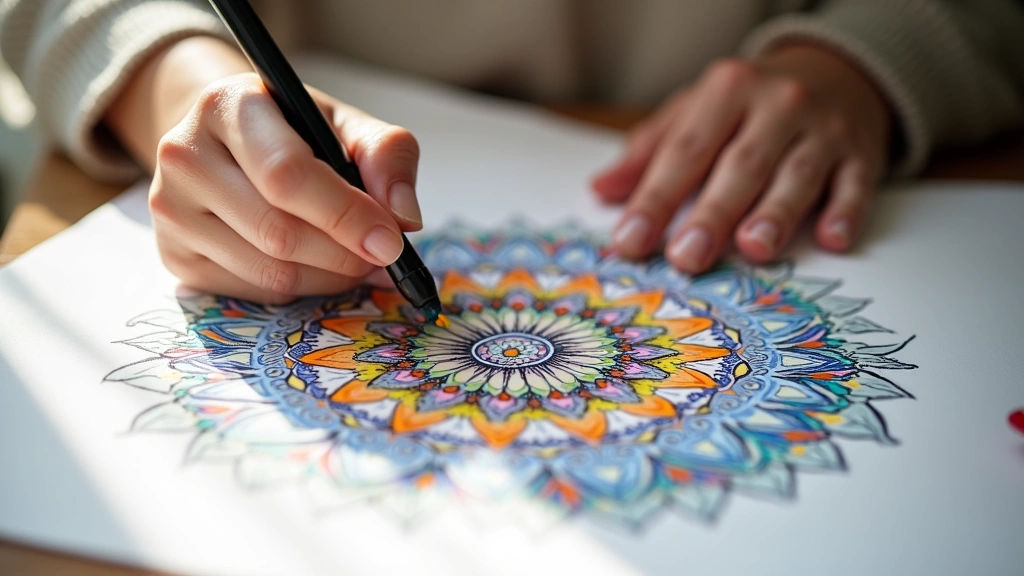
Emotion mapping involves drawing representations of how you feel—perhaps using colors, shapes, or abstract forms. Mandalas provide structured, repetitive patterns that promote focus and calm. Free-form doodling and abstract expression allow unrestricted emotional release without concern for representation or skill. Guided imagery sketches help you visualize positive mental states or process difficult experiences in a contained, visual format.
How Can I Use Drawing as a Mental Health Tool at Home?
Establish a consistent drawing practice by dedicating 10-15 minutes daily to creative expression. Keep a journal dedicated to mental health drawings where you can track emotional patterns over time. Try prompts like “How do I feel today?” or “What does my anxiety look like?” Don’t judge your work—the therapeutic value comes from the process, not the product. Many people find that evening drawing sessions help process the day’s emotions and improve sleep quality.
What Mental Health Conditions Can Benefit From Drawing Therapy?
Clinical evidence supports drawing as an adjunct treatment for multiple mental health conditions. For anxiety, the repetitive motion and focus required can activate the parasympathetic nervous system, promoting relaxation. Depression sufferers benefit from the sense of accomplishment and creative agency. PTSD patients can externalize trauma memories in a controlled visual format. ADHD individuals often find drawing helps channel restless energy productively. If you’re experiencing serious symptoms, consult a healthcare provider about combining drawing with professional treatment.
Should I Work With a Therapist or Art Therapist for Mental Health Drawings?
Self-directed drawing is an excellent wellness practice for stress reduction and emotional awareness. However, if you’re managing trauma, severe anxiety, or depression, working with a licensed art therapist offers professional interpretation and clinical support. An art therapist can help you understand the symbolic meaning in your drawings and integrate insights into your overall mental health treatment plan. Consider consulting with a healthcare provider to determine if professional art therapy is appropriate for your situation.
What Supplies Do I Need to Start Mental Health Drawing Practice?
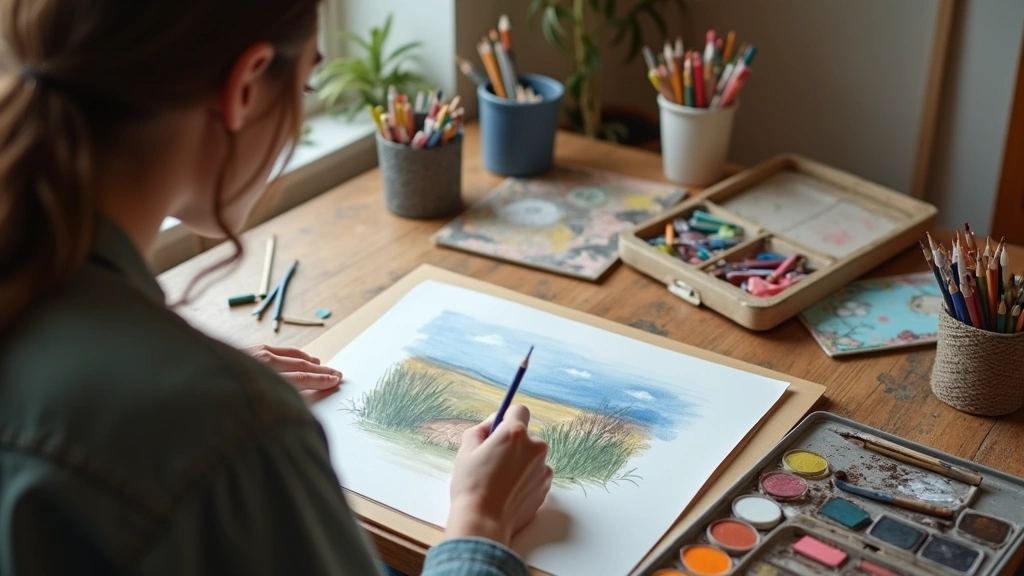
You can begin with minimal supplies: plain paper and a pencil. Colored pencils, markers, or watercolors add sensory richness to the experience, but aren’t necessary. Some people prefer charcoal for its tactile quality or pastels for their blending properties. The investment in supplies should match your commitment level—expensive art materials aren’t required for therapeutic benefit. What matters most is consistency and intention in your practice.
How Do Mental Health Drawings Compare to Other Therapeutic Practices?
Like meditation, drawing promotes present-moment awareness and stress reduction. Similar to journaling, it creates a tangible record of emotional states over time. Unlike talk therapy, drawing bypasses language limitations and accesses deeper emotional processing. Many mental health professionals recommend combining drawing with other practices—perhaps pairing it with professional guidance and complementary wellness strategies for comprehensive mental health support.
Frequently Asked Questions
Is there scientific evidence that mental health drawings actually work?
Research from institutions like the American Psychological Association confirms art therapy’s effectiveness. Neuroimaging studies show that creative activities activate reward centers in the brain and reduce activity in stress-response regions.
Can mental health drawings replace professional therapy?
Self-directed drawing works best as a complementary practice alongside professional care. If you’re experiencing severe depression, suicidal thoughts, or trauma responses, prioritize working with a qualified mental health professional who can integrate drawing into a comprehensive treatment plan.
How long before I see mental health benefits from drawing?
Immediate stress relief often occurs during the drawing process itself. Long-term benefits like improved emotional regulation and greater self-understanding develop through sustained practice. Consistency matters more than duration—daily 10-minute sessions outperform occasional longer sessions.