
What Are Mental Health Memes and Why Are They Popular?
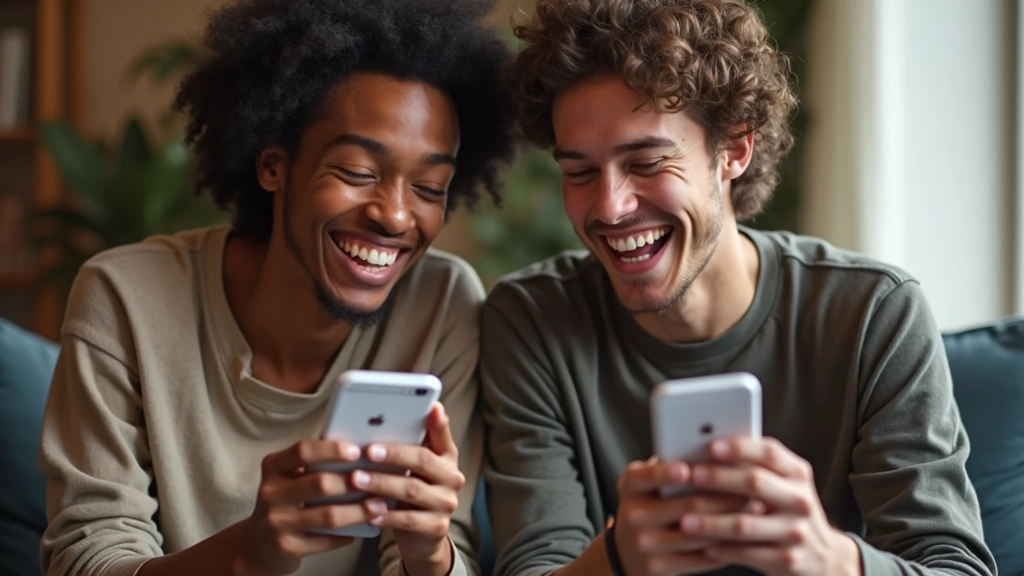
Mental health memes represent a significant shift in how people discuss psychological struggles in the digital age. Rather than treating mental health as taboo, these memes use humor to acknowledge the reality of living with conditions like depression, anxiety, and ADHD. What started as niche internet humor has evolved into a mainstream cultural phenomenon that influences how millions of people process their mental health challenges.
The popularity of mental health memes reflects a broader cultural shift toward mental health awareness and acceptance. Young adults, in particular, have embraced these memes as a form of self-expression and community building. Unlike traditional mental health education, which can feel clinical and distant, memes speak the language of everyday experience with wit and relatability.
What Types of Mental Health Conditions Are Most Commonly Featured in Memes?
Depression and anxiety memes account for roughly 60% of mental health meme content across platforms. These conditions resonate broadly because they’re highly prevalent—the CDC reports that over 21% of U.S. adults experience mental illness annually. ADHD memes have surged in popularity, particularly as adult ADHD diagnoses have increased and awareness has grown. Bipolar disorder and OCD memes address specific symptom patterns that those with lived experience recognize instantly. The specificity of these memes—whether joking about intrusive thoughts, hyperfocus episodes, or depressive spirals—makes them powerful tools for validation.
Why Do People With Mental Health Conditions Share and Create Mental Health Memes?
Humor is a well-documented psychological defense mechanism that helps people process difficult emotions. When someone with depression creates a meme about their inability to get out of bed, they’re simultaneously acknowledging the struggle and gaining distance from it through comedy. This dual function—validation plus perspective—explains why sharing mental health memes feels therapeutic. Additionally, discovering that thousands of people relate to your specific experience combats the isolation that mental illness creates. Online communities built around these memes provide peer support that complements professional treatment through telehealth prescribing services.

Are Mental Health Memes Beneficial or Harmful for Mental Health Awareness?
The evidence suggests mental health memes have a net positive impact on awareness and destigmatization. A study published in the Journal of Mental Health found that exposure to mental health humor reduced negative stereotypes and increased willingness to discuss mental illness openly. However, the concern that memes might discourage people from seeking professional help is valid. The key is balance—memes work best as a complement to professional treatment, not a replacement. For those seeking clinical support, options like online ADHD doctors and online prescriptions for venlafaxine make professional care more accessible.
Where Can You Find Mental Health Memes Online?
Reddit hosts dedicated communities like r/depression_memes and r/anxiety_memes with hundreds of thousands of members. TikTok’s algorithm has made mental health meme creators into influential voices, with videos about ADHD and anxiety reaching millions. Instagram accounts dedicated to mental health humor have amassed substantial followings, while Twitter threads featuring mental health memes often go viral. Specialized platforms and support group forums also feature meme sharing as part of their community engagement. This decentralization means mental health memes reach diverse audiences across generational and demographic lines.
How Do Mental Health Memes Differ From Other Types of Internet Humor?
Most internet humor relies on external references—celebrity culture, current events, or absurdist scenarios. Mental health memes, by contrast, draw power from internal experience. They’re created by and for people living with specific conditions, making them inherently authentic. This authenticity is why someone with untreated anxiety might find a mental health meme more relatable than traditional comedy. The humor comes from recognition rather than surprise, which creates deeper emotional resonance and stronger community bonds.
Can Mental Health Memes Be Used as a Therapeutic Tool?
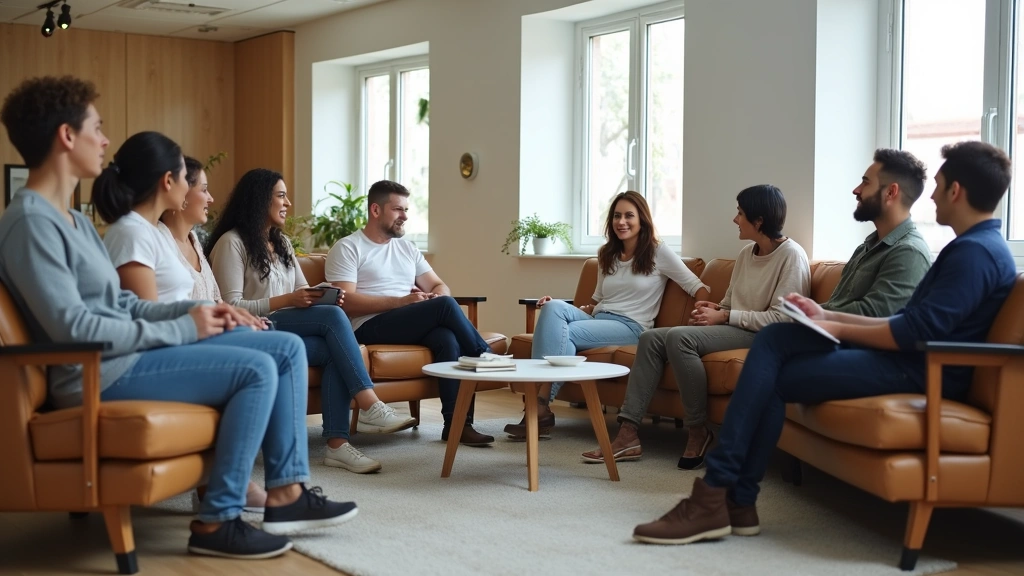
Progressive therapists recognize that meeting clients where they are culturally is effective. Using memes in therapy can reduce the power differential between therapist and client, making conversations feel more natural. Memes also help patients externalize their struggles—laughing at a meme about depression creates psychological distance that can be therapeutic. However, meme engagement works best alongside evidence-based treatments. For comprehensive care, combining meme-informed therapy with medication management through online prescriptions for bupropion or trazodone sleep aids creates a holistic treatment approach.
Frequently Asked Questions
Are mental health memes only for young people?
Younger generations discovered mental health memes first, but the format has aged with its audience. Millennials and Gen X adults now create memes about managing mental health while parenting or working, while older adults share them in Facebook groups. The universal experience of mental illness transcends age, making these memes accessible to anyone seeking community and humor around their struggles.
Can someone self-diagnose based on mental health memes?
Memes can serve as a gateway to self-awareness, prompting people to seek professional evaluation. However, mental health conditions require proper assessment by licensed professionals who can differentiate between conditions with overlapping symptoms. If a meme resonates with your experience, use it as motivation to consult a mental health professional or visit telehealth health conditions resources for guidance.
Do mental health memes perpetuate stereotypes?
The mental health meme community is self-regulating, with members calling out content that trivializes serious conditions or relies on harmful stereotypes. The majority of authentic mental health memes—those created by people with lived experience—work to destigmatize rather than stereotype. This contrasts with memes created by outsiders, which may inadvertently perpetuate misconceptions. Supporting meme creators within the mental health community ensures the content remains authentic and beneficial.