

What Are Mental Health Posters and How Can They Be Used Effectively?
Mental health posters serve as accessible, cost-effective interventions that reach large audiences with minimal barriers to engagement. Unlike one-on-one counseling or therapy, posters provide passive education that meets people where they already are—in schools, offices, and community spaces. They normalize conversations about mental health and signal that support is available, which is particularly important in environments where mental health stigma remains prevalent.
What Are the Most Effective Mental Health Poster Designs and Messages?
Research shows that high-impact mental health posters combine visual appeal with practical information. Design elements should include readable fonts, contrasting colors, and images that reflect diverse populations. Messages work best when they’re specific (“It’s okay to ask for help”) rather than generic, and they should always include concrete next steps—whether that’s calling the 988 Suicide & Crisis Lifeline, visiting a counseling center, or accessing telemedicine services.
Where Should Mental Health Posters Be Displayed for Maximum Visibility?
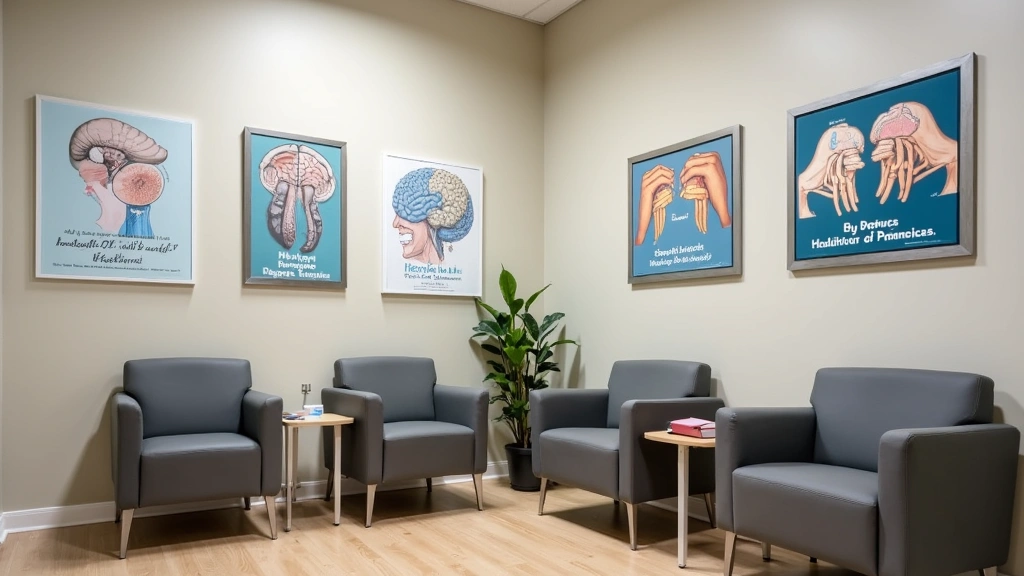
Strategic placement multiplies poster effectiveness. Bathrooms, waiting rooms, and cafeterias are ideal because people spend time there and may see the poster multiple times. Schools should display posters near counseling offices, in locker rooms, and in common areas where students naturally gather. Workplaces benefit from placing posters in break rooms, near employee assistance program information, and in areas where employees discuss wellness.

What Mental Health Topics Should Posters Address?
Effective campaigns address conditions prevalent in their specific setting. College campuses might prioritize anxiety and depression awareness, while workplaces may focus on stress management and burnout prevention. Posters should connect mental health topics to treatable health conditions and emphasize that professional help—including online medical consultations—is accessible and effective.
How Do Mental Health Posters Support Crisis Intervention and Awareness?
Crisis-focused posters save lives by providing immediate resources. The 988 Suicide & Crisis Lifeline number should be prominently displayed with information about text and chat options. Posters identifying warning signs—such as withdrawal, hopelessness, or talk of self-harm—educate communities to recognize when someone needs intervention. SAMHSA’s National Helpline provides additional free, confidential resources.
What Organizations Provide Free or Low-Cost Mental Health Posters?
Free resources eliminate budget barriers to mental health promotion. The National Alliance on Mental Illness (NAMI) offers downloadable posters addressing various conditions. SAMHSA provides evidence-based materials, while local public health departments often distribute customized posters. Many organizations allow free use for educational and non-profit purposes.
How Can Schools and Workplaces Customize Mental Health Posters for Their Community?
Customization increases relevance and response rates. Add your school counselor’s office number, employee assistance program details, or local crisis center information. Include culturally relevant imagery and languages spoken in your community. Involve students or employees in poster design to ensure messages resonate authentically with your audience.
Frequently Asked Questions
How often should mental health posters be updated or rotated?
Regular rotation maintains engagement and ensures different messages reach your audience throughout the year.
Can mental health posters replace professional mental health services?
Posters work best when they direct people toward professional resources and evidence-based treatment options.
What makes a mental health poster message memorable?
Simple, direct language combined with visual impact creates lasting impressions that motivate people to seek help.