

What Are Mental Health Shirts and Why Are They Popular?
Mental health awareness has become increasingly important in modern society, and mental health shirts represent a tangible way for individuals to express their commitment to emotional wellness. These garments have evolved from niche products into mainstream fashion items, worn by people seeking to break stigma and foster open conversations about psychological well-being.
The rise of mental health shirts reflects a broader cultural shift toward destigmatizing mental illness and creating supportive communities. Unlike traditional awareness ribbons or pins, shirts provide visible, wearable statements that spark conversations and demonstrate solidarity with those experiencing mental health challenges.
What Types of Messages and Designs Are Featured on Mental Health Shirts?
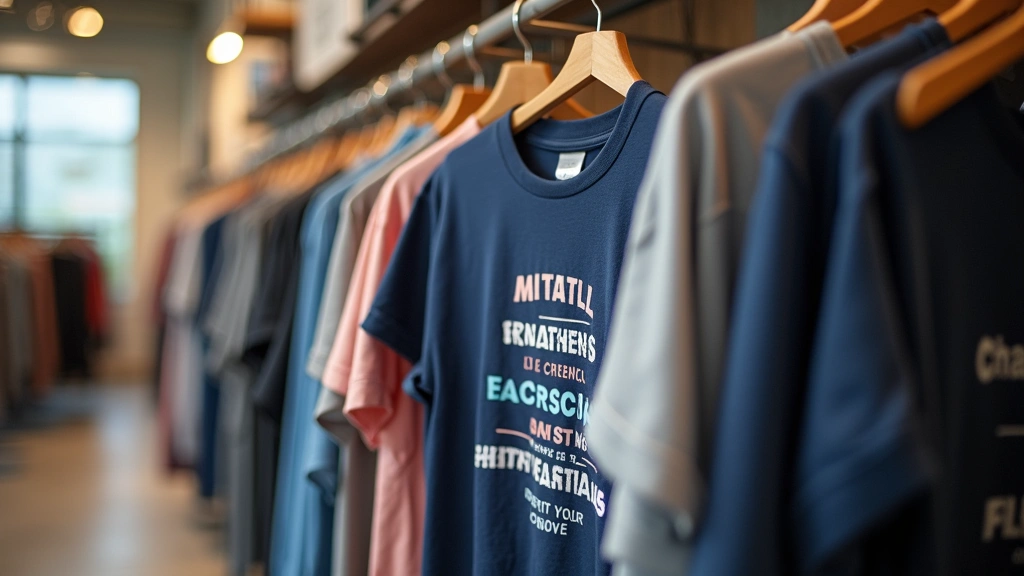
Mental health shirt designs range from minimalist symbols to bold, empowering statements. The semicolon symbol has become iconic in suicide prevention communities, while teal ribbons represent mental health awareness generally. Many shirts feature affirmations such as “You are not alone,” “Mental health matters,” or condition-specific messages addressing anxiety, depression, bipolar disorder, and PTSD. Some designs incorporate calming imagery, inspirational quotes, or statistics that educate wearers and observers about mental health prevalence.
Where Can You Buy Mental Health Awareness Shirts?
The accessibility of mental health shirts has expanded significantly. Major retailers now stock mental health-themed apparel, while specialized platforms connect consumers with independent designers creating unique designs. Purchasing directly from nonprofit organization websites ensures proceeds support mental health initiatives and wellness programs.
How Do Mental Health Shirts Contribute to Awareness and Reducing Stigma?
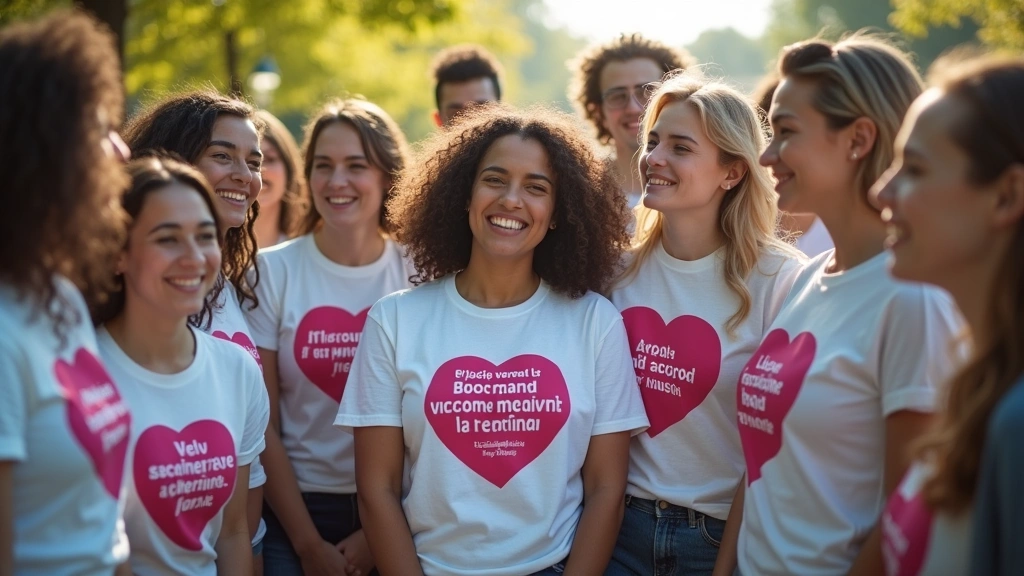
Wearing mental health shirts creates visibility for psychological wellness in public spaces where mental health discussions are often absent. They validate people’s experiences, signal that mental health support is available, and encourage others to seek help without fear of judgment. This public advocacy contributes to cultural normalization of mental health as equally important as physical health.
What Organizations or Causes Do Mental Health Shirt Sales Support?
Purchasing mental health shirts often supports meaningful causes. Organizations dedicated to mental health support and treatment access frequently partner with apparel brands, with proceeds funding crisis hotlines, support groups, and advocacy initiatives. This creates a dual benefit: personal expression combined with charitable contribution.
How Much Do Mental Health Shirts Typically Cost?
Pricing varies based on brand, design complexity, and charitable involvement. Budget-friendly options exist on mass-market platforms, while specialty designs from mental health organizations may command higher prices reflecting their advocacy mission. Many consumers view the additional cost as an investment in mental health awareness.
What’s the Difference Between Mental Health Shirts and Other Awareness Apparel?
Mental health shirts distinctly address psychological and emotional wellness, differentiating them from disease-specific apparel or general motivational wear. They acknowledge the intersection of mental health with overall wellbeing, often connecting to nutrition, exercise, and clinical support systems. This specificity makes them powerful tools for mental health advocacy.
Frequently Asked Questions
Are mental health shirts only for people with mental health conditions?
Mental health shirts create inclusive spaces where anyone can participate in awareness efforts and demonstrate that mental health matters to everyone.
Do mental health shirts actually make a difference in reducing stigma?
While shirts alone aren’t a complete solution, they’re effective tools within broader awareness campaigns and community support efforts.
Can I customize mental health shirts with personal messages?
Customization options make mental health shirts more meaningful for personal stories and specific causes.