

What Are Online Medical Consultations and How Do They Work?
Online medical consultations represent a fundamental shift in how patients access healthcare. Instead of scheduling appointments weeks in advance and traveling to a physical location, patients can connect with licensed doctors from home in minutes. This modern approach to healthcare delivery has grown exponentially, with the telehealth market expanding by over 38% annually since 2020.
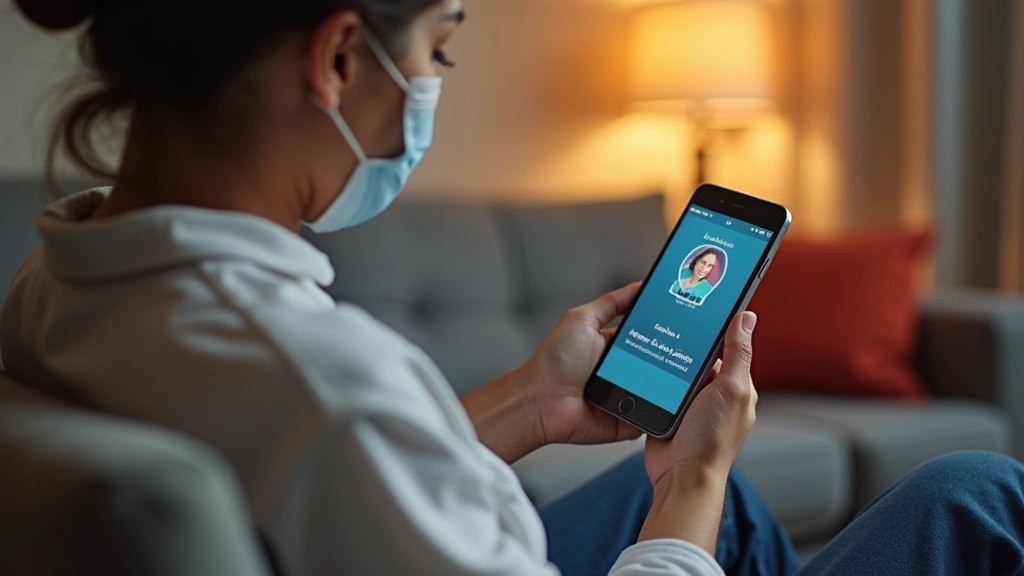
The process is straightforward: patients download an app or visit a website, create an account, describe their symptoms, and connect with a licensed healthcare provider through video, phone, or secure messaging. Providers can then assess the situation, provide medical advice, issue prescriptions, and refer patients to specialists or in-person care when necessary.
What Types of Conditions Can Be Treated Through Online Medical Consultations?
Online consultations work best for non-emergency conditions where physical examination isn’t critical. These include respiratory infections, allergies, acne, eczema, yeast infections, and minor injuries. Mental health services like therapy and psychiatric consultations have become particularly popular through telehealth platforms. Patients with chronic conditions such as diabetes, hypertension, and asthma can also receive ongoing management and medication refills. However, conditions requiring physical examination, imaging, or emergency intervention should always be handled in-person or through emergency services.
How Much Do Online Medical Consultations Typically Cost?
Pricing varies significantly based on the platform and provider. Basic consultations typically cost $40-$80, while specialist consultations can reach $150-$200. Many patients can access online doctor visits free or at reduced costs without insurance. Insurance coverage has expanded dramatically, with most major insurers now covering telehealth visits at the same copay rates as in-person appointments. Prescription costs are separate and depend on the medication prescribed.
What Are the Advantages and Disadvantages of Online Medical Consultations?
The primary advantage is accessibility—patients can receive care within hours rather than weeks, without travel time or transportation costs. This is especially valuable for those in rural areas or with mobility limitations. Consultations are also typically cheaper than emergency room visits. However, providers cannot perform physical examinations, order imaging, or run laboratory tests during video visits. Some patients struggle with technology requirements or lack reliable internet. Additionally, certain diagnoses require in-person evaluation, limiting the scope of treatable conditions.

Which Platforms and Services Offer Online Medical Consultations?
The telehealth market includes numerous platforms catering to different needs. Teladoc is one of the largest, serving millions of patients through employer and insurance partnerships. Amwell offers broad specialty coverage and integrates with health systems. Doctor on Demand focuses on primary care and mental health. Ro specializes in chronic condition management with prescription delivery. Many patients also use online chat with doctor free services through various platforms. Each has different credentialing standards, response times, and geographic availability, so comparing options is essential.
How Do Insurance and Prescription Coverage Work With Online Consultations?
Insurance coverage for telehealth has become standard. Medicare, Medicaid, and most commercial insurers now reimburse telehealth visits, often with identical copays as in-person appointments. Patients should verify their specific plan’s coverage before scheduling. When providers prescribe medications, patients can fill them at their preferred pharmacy or use mail-order services. Some platforms like online doctor for UTI services integrate prescription fulfillment directly into their platforms.
What Are the Legal and Regulatory Requirements for Online Medical Consultations?
Telehealth operates under strict regulations. All providers must maintain valid medical licenses in the patient’s state—providers cannot practice across state lines without appropriate licensure. HIPAA compliance is mandatory, requiring secure platforms and patient privacy protection. State regulations vary significantly; some states require in-person initial consultations before telehealth follow-ups, while others allow initial consultations entirely online. Understanding healthcare cybersecurity requirements helps ensure patient data protection. Reputable platforms display provider credentials and clearly state their regulatory compliance.
How Do Online Consultations Compare to In-Person Doctor Visits?
The choice between online and in-person visits depends on the condition and urgency. Online consultations excel at convenience, speed, and cost-effectiveness for straightforward issues. In-person visits remain superior for comprehensive physical examinations, complex diagnoses, and conditions requiring hands-on assessment. Many patients benefit from a hybrid approach: initial online consultation followed by in-person evaluation if needed. Neither fully replaces the other; they serve complementary roles in modern healthcare delivery. Understanding when each is appropriate helps patients make informed decisions about their care.
Frequently Asked Questions
Are online doctor consultations safe and legitimate?
Legitimate telehealth platforms employ licensed physicians, use encrypted technology, and comply with all healthcare privacy laws. However, unregulated services exist—always verify provider licensing through your state medical board and confirm HIPAA compliance before sharing personal information.
Can online doctors prescribe controlled substances?
Federal and state laws restrict telehealth prescribing of controlled substances. Most online doctors can prescribe common antibiotics, antivirals, and non-controlled medications, but not opioids or benzodiazepines except through specialized programs with established patient relationships.
What happens if I need emergency care during a telehealth consultation?
All legitimate telehealth providers have protocols for identifying emergencies and directing patients to appropriate care. If you experience chest pain, difficulty breathing, or other emergency symptoms, always call 911 immediately rather than waiting for an online consultation.