

Best Telehealth Companies for Weight Loss Programs
Telehealth has transformed weight loss treatment by making medical supervision and prescription medications accessible from home. These platforms connect you with licensed physicians who can prescribe FDA-approved weight loss drugs, monitor your progress, and provide ongoing support—all without office visits. Whether you’re seeking GLP-1 medications like Wegovy or behavioral coaching apps, understanding your options helps you choose the right fit for your goals and budget.
The telehealth weight loss market has expanded rapidly, with companies ranging from medication-focused services to app-based behavioral platforms. Each has distinct strengths: some excel at medication access and medical monitoring, while others prioritize habit tracking and lifestyle coaching. Your choice should align with whether you prefer pharmaceutical intervention, behavioral change, or a hybrid approach.
What Telehealth Weight Loss Services Offer GLP-1 Medications?
GLP-1 receptor agonists (semaglutide, tirzepatide) have become the gold standard for medical weight loss due to their effectiveness in reducing appetite and body weight. Ro and Calibrate specialize in medication-based weight loss, offering these drugs through telehealth consultations. Both platforms include physician oversight, regular check-ins, and medication adjustments based on your response. Noom Plus integrates behavioral coaching with optional GLP-1 access, providing a combined approach. These services typically require an initial health assessment and ongoing monitoring to ensure safety and efficacy.
How Much Do Telehealth Weight Loss Programs Cost?
Pricing varies significantly across platforms. Medication-focused services like Calibrate and Ro charge $200-400 monthly for consultations and medications, with insurance coverage depending on your plan’s formulary. Behavioral apps like Noom cost $60-200 monthly. Many insurers cover GLP-1 medications if medically indicated, but coaching services remain largely out-of-pocket. Health Savings Accounts (HSAs) and Flexible Spending Accounts (FSAs) often cover telehealth weight loss programs, making them more affordable for eligible users.
Medication-Based vs. Behavioral Coaching Approaches
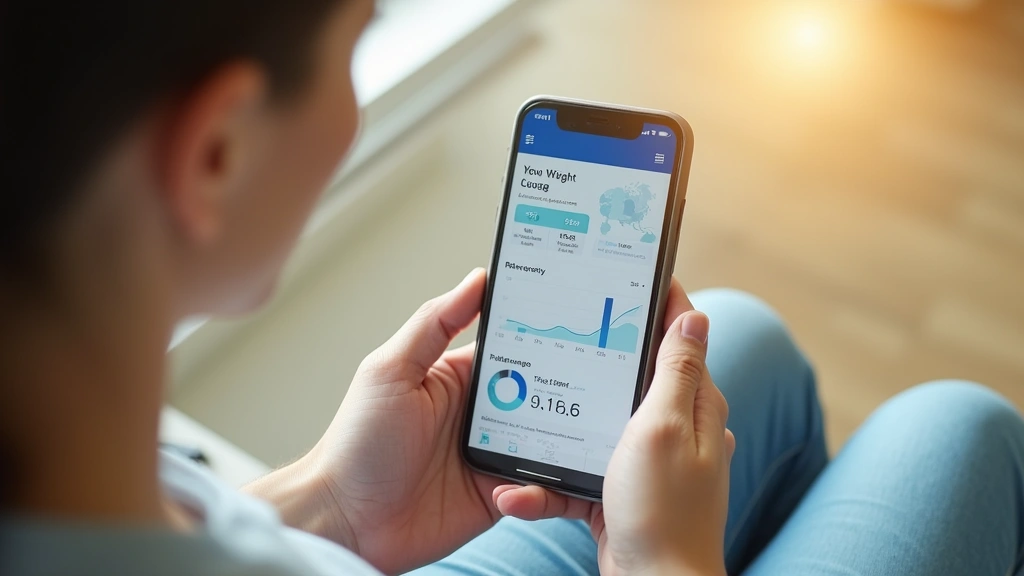
Medication-based telehealth services position prescription drugs as the primary intervention, with coaching as secondary support. Behavioral platforms flip this approach—they emphasize psychology, habit formation, and lifestyle modification, with medications as optional add-ons. Online doctors who prescribe phentermine typically represent the medication-first model. Your choice depends on whether you believe your weight struggle is primarily medical or behavioral—though evidence suggests the best outcomes combine both approaches.
Which Companies Have the Best Reviews and Success Rates?
Calibrate earns praise for personalized medication protocols and responsive physician teams, with users reporting 10-15% body weight loss within 6 months. Ro is valued for accessibility and straightforward processes, though some users note longer wait times during peak demand. Noom boasts 80%+ user retention and 65% of users lose 5%+ body weight, though independent clinical trials are limited. Teladoc offers comprehensive services through established insurance networks, making it accessible for many Americans. Real user reviews on independent platforms provide the most honest assessment of each service’s strengths and limitations.

Do These Programs Require In-Person Visits or Lab Work?
True telehealth weight loss companies operate 100% virtually—no in-person office visits required. However, online doctor appointments often include requests for blood work to assess metabolic health, thyroid function, and medication safety. Most platforms allow you to order labs through their network or use your local lab, then upload results. This ensures physicians have adequate medical information before prescribing weight loss medications. Initial consultations typically involve detailed health questionnaires, vital signs self-reporting, and video calls with licensed providers.
What Are the Eligibility Requirements?
Standard eligibility includes BMI ≥27 with comorbidities (diabetes, hypertension) or BMI ≥30 regardless of conditions. Age requirements typically range 18-75, though some services accept older adults. Pregnancy and certain medical conditions disqualify applicants. GLP-1 medications specifically require stable kidney and thyroid function. Nutrition history and current medication lists help determine compatibility. Contact specific platforms for detailed eligibility criteria, as requirements evolve with clinical guidelines and FDA approvals.
Telehealth vs. Traditional In-Person Weight Loss Clinics
Telehealth weight loss eliminates travel time and scheduling barriers, making treatment accessible to rural and underserved populations. Costs are typically 30-50% lower than in-person clinics. However, traditional clinics provide in-person weigh-ins, physical exams, and face-to-face accountability that some people find motivating. Research from CDC obesity resources shows both modalities achieve similar weight loss outcomes when program adherence is strong. Your success depends more on choosing an evidence-based program and maintaining engagement than on delivery method.
Frequently Asked Questions
Can I switch between telehealth weight loss companies if the first doesn’t work?
Most telehealth weight loss companies don’t require long-term commitments, allowing you to discontinue or switch services. However, switching requires new medical evaluations, intake questionnaires, and lab work with the new provider. If you’re on prescription medications, coordinate with both providers to avoid gaps in treatment. Some users benefit from trying multiple platforms to find the best fit for their communication style and program design.
Are telehealth weight loss medications covered by Medicare or Medicaid?
Medicare and Medicaid coverage for weight loss medications remains limited but evolving. Call your specific plan to confirm whether GLP-1 medications are covered when prescribed for weight management. Private insurance coverage is more common, especially for patients with weight-related comorbidities. HSA/FSA funds can often cover telehealth weight loss services regardless of insurance type.
How long does it take to see weight loss results from telehealth programs?
GLP-1 medications produce relatively rapid appetite suppression and weight loss, with many users reporting 5-10 pounds lost in the first month. Behavioral coaching programs show more gradual results, typically 1-2 pounds weekly. Realistic expectations matter—sustainable weight loss is 1-2 pounds per week, and results plateau after 6-12 months as your body adapts. Continued medication or behavior modification maintains results long-term.