

What Is Telehealth Endocrinology and How Does It Work?
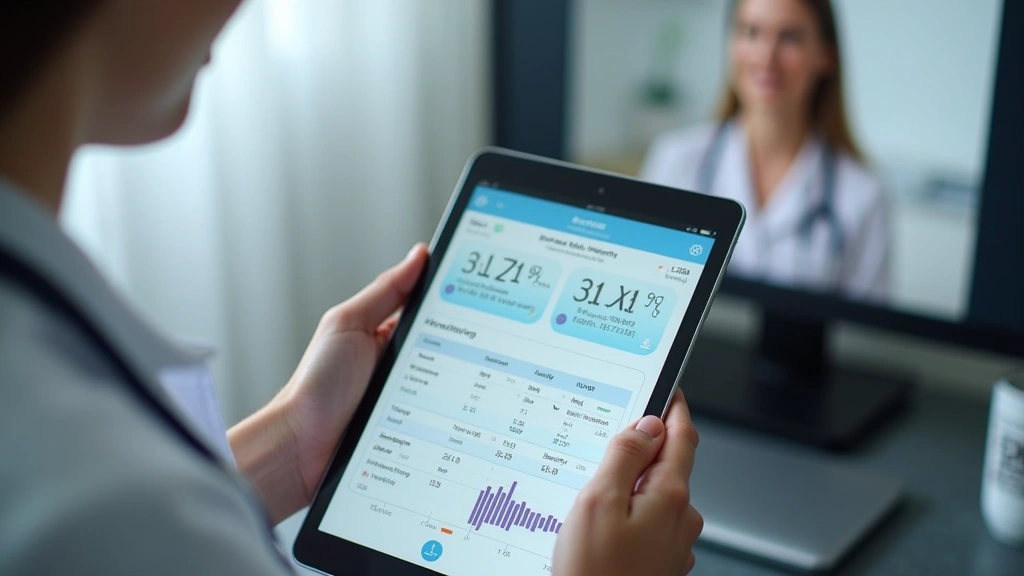
Telehealth endocrinology represents a significant shift in how patients access specialized hormone and metabolic care. Rather than traveling to an endocrinologist’s office, patients can consult with board-certified specialists from home using secure video conferencing, phone calls, or secure messaging platforms. This approach leverages technology to bridge the gap between patients and endocrine specialists, particularly beneficial for those in rural areas or with mobility challenges.
The endocrine system regulates hormones that control metabolism, growth, reproduction, and mood. When these systems malfunction, specialized care is essential. Telehealth makes this expertise more accessible while maintaining the quality of care patients expect from board-certified endocrinologists.
What Conditions Can Be Treated Through Telehealth Endocrinology?
Telehealth endocrinologists effectively manage Type 1 and Type 2 diabetes, adjusting insulin regimens and monitoring blood glucose control through patient-reported data. Thyroid conditions like hypothyroidism and hyperthyroidism are ideal for remote care, as diagnosis relies primarily on blood tests (TSH, T3, T4 levels) rather than physical examination. Polycystic ovary syndrome (PCOS), hormonal imbalances, menopause symptoms, and growth hormone deficiencies can all be managed remotely with proper lab work and follow-up monitoring.
How Does a Telehealth Endocrinology Appointment Differ From In-Person Care?
During a telehealth appointment, the endocrinologist reviews your medical records, discusses symptoms, and examines lab results on screen. In-person visits allow for physical examination—such as palpating the thyroid gland or assessing physical signs of hormonal dysfunction. Many endocrinologists recommend an initial in-person visit for comprehensive evaluation, followed by remote follow-ups for medication adjustments and monitoring.
What Are the Benefits and Limitations of Telehealth Endocrinology?
Telehealth endocrinology eliminates travel time, reduces appointment wait times, and provides access to specialists regardless of geographic location. It’s particularly valuable for patients with mobility issues or those living far from endocrinology centers. However, the inability to perform physical examinations limits its application for certain diagnoses. Technology requirements and internet connectivity can also present barriers for some patients.
How Much Does Telehealth Endocrinology Cost and Is It Covered by Insurance?
Many insurance providers now cover telehealth visits at parity with in-person appointments. Check with your specific plan, as coverage policies vary. Uninsured patients can often access online doctor services at reduced rates compared to traditional office visits.

What Platforms and Providers Offer Telehealth Endocrinology Services?
Leading telehealth platforms partner with board-certified endocrinologists to deliver specialist care. Many academic medical centers and regional health systems now offer remote patient monitoring through their own platforms, allowing continuity of care with your existing endocrinologist.
What Information and Tests Do I Need Before a Telehealth Endocrinology Appointment?
Gather all recent laboratory results, medication lists with dosages, and a symptom timeline. If you’re new to the endocrinologist, request your medical records from your primary care provider. Having blood pressure readings and blood glucose logs (if diabetic) ready will help the specialist make informed recommendations.
Are There States or Situations Where Telehealth Endocrinology Is Restricted?
State medical boards regulate telehealth practice, and requirements differ significantly. Some states mandate an initial in-person evaluation before remote care can begin, while others permit fully virtual relationships. Check your state’s medical board website or ask your telehealth provider about specific regulations in your location. Federal regulations from the Centers for Medicare & Medicaid Services (CMS) also apply to Medicare beneficiaries.
Frequently Asked Questions
Can telehealth endocrinologists prescribe medications?
Telehealth endocrinologists have full prescribing authority for medications within their specialty. This includes insulin, thyroid medications, and hormone replacement therapies. Prescriptions are typically transmitted electronically to your preferred pharmacy.
Do I need lab work before my first telehealth endocrinology appointment?
Most telehealth endocrinologists request lab work completed within 3-6 months before your appointment. If you don’t have recent results, many platforms can order labs through local providers or home collection services.
How often will I need follow-up appointments with a telehealth endocrinologist?
Newly diagnosed patients or those requiring medication adjustments may need appointments every 4-6 weeks. Once your condition stabilizes, appointments may be scheduled quarterly or annually. Your endocrinologist will recommend the appropriate schedule based on your specific needs.