

What Is Telehealth Nursing and How Does It Work?
Telehealth nursing represents a fundamental shift in how patients access nursing care. By leveraging technology, licensed nurses can now evaluate symptoms, manage medications, and provide health guidance from anywhere, eliminating geographical barriers and reducing wait times. This model has expanded rapidly, with the telehealth market growing over 38% annually since 2020.
The integration of telehealth into nursing practice combines clinical expertise with digital platforms to deliver timely, convenient care. Whether addressing acute concerns or managing chronic conditions, telehealth nurses serve as accessible healthcare touchpoints for millions of patients seeking alternatives to traditional office visits.
What Specific Services Do Telehealth Nurses Provide?
Telehealth nurses provide a comprehensive range of services designed to address patient needs without requiring physical presence. They conduct initial health assessments by gathering detailed medical histories, evaluate acute symptoms like fever or chest pain, and recommend appropriate next steps. For chronic disease management, nurses monitor blood pressure, blood glucose, and weight trends for patients with diabetes, hypertension, and heart disease. They also provide medication counseling, manage medication side effects, coordinate specialist referrals, and deliver health education on disease prevention and wellness. Post-operative patients benefit from remote follow-up care that tracks healing progress and identifies complications early.
How Is Telehealth Nursing Different From Traditional In-Person Nursing?
The primary distinction lies in accessibility and interaction methods. Traditional nursing involves in-person physical examinations, direct vital sign measurements, and hands-on interventions. Telehealth nursing relies on verbal descriptions, patient-reported symptoms, and visual assessment through video. While this eliminates commute time and appointment delays, it restricts the nurse’s ability to perform thorough physical exams. However, remote patient monitoring technology bridges this gap by enabling automated vital sign capture and data transmission to nurses.

What Are the Benefits and Limitations of Telehealth Nursing?
Key advantages include 24/7 availability, reduced travel burden for rural patients, lower visit costs, and faster response times for urgent concerns. Patients avoid long waits and can access care from home. However, telehealth cannot replace physical examinations, diagnostic procedures like blood draws, or injections. Patients without reliable internet or those uncomfortable with technology may face barriers. Privacy concerns exist regarding secure data transmission and home environment confidentiality.
What Qualifications and Licensing Do Telehealth Nurses Need?
All telehealth nurses must be licensed registered nurses (RNs) or licensed practical nurses (LPNs) in the states where they practice. Many employers require additional certifications in telehealth, informatics, or specialty areas like cardiac or diabetes care. Some states mandate continuing education in remote patient care, digital communication, and cybersecurity. Nurses must maintain HIPAA compliance knowledge and understand state-specific telehealth regulations and prescriptive authority limitations.
How Much Does Telehealth Nursing Cost and Is It Covered by Insurance?
Uninsured patients can expect to pay between $50 and $200 per visit, with specialized consultations costing more. Insurance coverage has expanded significantly, with Medicare covering telehealth services for established patients, and most commercial insurers providing equal reimbursement for virtual and in-person visits. Medicaid coverage varies by state. Many employers now include telehealth in their health plans, often with lower copays than office visits, making remote nursing care an economical option for patients across income levels.
What Technology Platforms Do Telehealth Nurses Use?
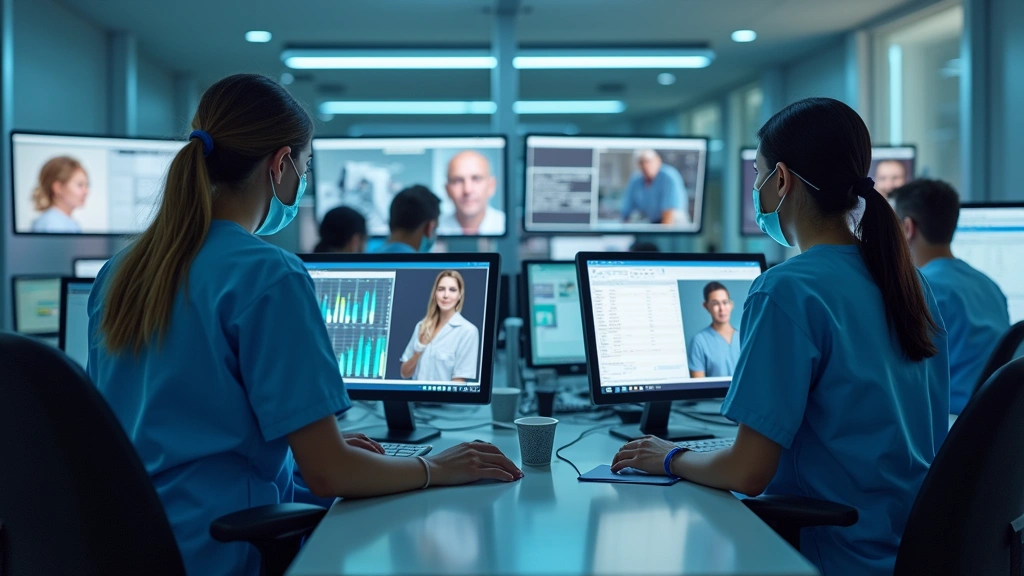
Major telehealth platforms include Teladoc, Amwell, MDLive, and Doctor on Demand, all offering encrypted video, secure messaging, and integration with electronic health records. Healthcare systems often use proprietary platforms built into their EHR systems like Epic or Cerner. These platforms support asynchronous communication through patient portals, enabling nurses to review messages and respond at appropriate times. Integration with remote monitoring devices allows automatic data transmission of vital signs and health metrics directly into the nurse’s workflow.
What Are the Regulatory Requirements and Legal Considerations for Telehealth Nursing?
Nurses must be licensed in the state where the patient resides, not just where the nurse is located. Federal regulations require documented patient consent for telehealth services and secure communication compliant with the Health Insurance Portability and Accountability Act (HIPAA). State nursing boards establish scope-of-practice guidelines for telehealth, and some states restrict certain interventions or require physician oversight. Documentation standards mirror in-person care, with detailed notes on assessments, interventions, and follow-up plans. Nurses must understand state-specific prescriptive authority limitations and maintain clear communication with physicians when care coordination is necessary.
Frequently Asked Questions
Can telehealth nurses prescribe medications?
Prescriptive authority varies significantly by state and credential level. Standard RNs cannot prescribe, though they can suggest over-the-counter options and coordinate prescriptions through physicians. Nurse practitioners (NPs) and clinical nurse specialists (CNSs) with advanced training may prescribe in many states, though some states impose restrictions on telehealth prescribing, particularly for controlled substances.
Is telehealth nursing secure and private?
All legitimate telehealth platforms implement HIPAA-required encryption, secure authentication, and audit trails. Patients should verify their provider uses certified platforms and avoid unsecured communication methods like regular email or text messaging for sensitive health information. Digital health standards mandate regular security updates and compliance audits to maintain patient privacy.
What should I prepare for a telehealth nursing appointment?
Check your internet connection and camera functionality 10 minutes early. Have your insurance card, medication list, and recent blood pressure or glucose readings available. Ensure your environment is private and quiet to protect confidentiality. Write down your symptoms, questions, and health concerns beforehand to maximize appointment efficiency. If virtual doctor visits require vital sign monitoring, have any home devices ready and know how to use them.