
What Are Telehealth Nursing Jobs and How Do I Find Them?
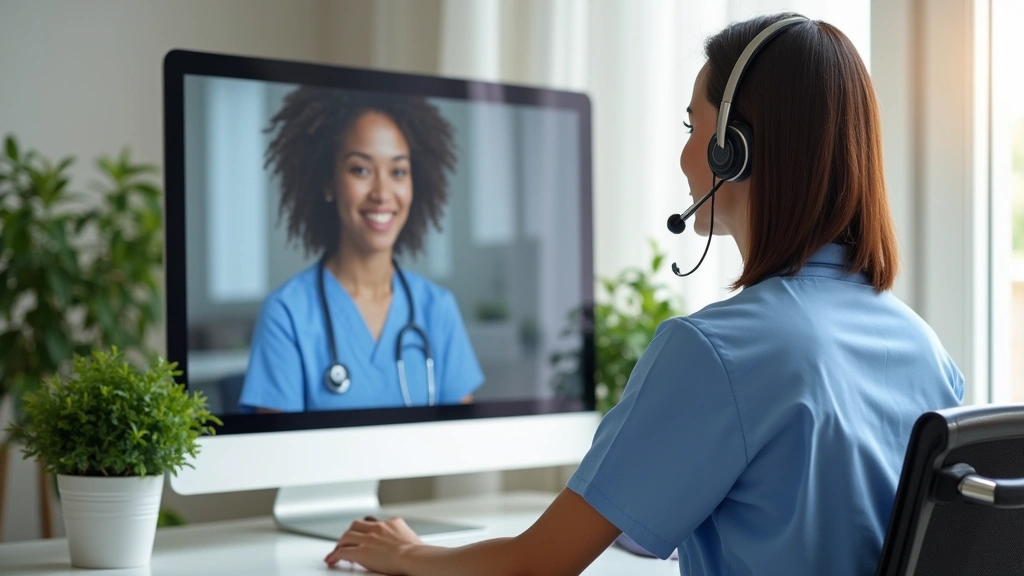
The nursing profession is undergoing a significant transformation as healthcare shifts toward virtual care delivery. Telehealth nursing represents one of the fastest-growing segments of the healthcare workforce, with demand accelerating post-pandemic. Unlike traditional bedside nursing, telehealth nurses work from home or dedicated remote offices, using technology to deliver comprehensive patient care without geographic limitations.
This career path appeals to nurses seeking work-life balance, flexibility, and reduced physical demands while maintaining clinical impact. Understanding the landscape of telehealth nursing jobs—from available positions to earning potential—helps you make an informed decision about pursuing this growing career opportunity.
What Types of Telehealth Nursing Positions Are Available?
Telehealth nursing encompasses diverse roles suited to different experience levels and specialties. Virtual triage nurses assess patient symptoms and determine appropriate care levels through phone or video consultations. Remote patient monitoring nurses oversee chronic disease management programs, reviewing data from home monitoring devices and communicating with patients about their health status. Telehealth RNs provide direct clinical care through virtual visits, while nurse case managers coordinate care and insurance coverage for complex patient populations. Many positions also exist in customer support and clinical advisory roles for telehealth platforms.

What Are the Requirements and Qualifications for Telehealth Nursing Jobs?
Telehealth nursing positions require a valid nursing license and generally 1-3 years of clinical experience, though some entry-level positions exist for new graduates. Strong computer skills and comfort with electronic health records (EHRs) are essential. Employers typically require a dedicated home workspace meeting HIPAA privacy standards, reliable high-speed internet (minimum 25 Mbps), and professional communication abilities. Additional certifications in critical care (CCRN), case management (CCM), or telehealth-specific training strengthen your candidacy.
How Much Do Telehealth Nurses Earn?
Compensation varies significantly based on employer type, experience level, and specialization. Large healthcare systems and insurance companies generally offer salaries at the higher end of the range, while smaller telehealth startups may offer lower base pay but sometimes include equity options. Unlike hospital nursing, most telehealth positions are salaried without shift differentials, though some include performance bonuses based on patient satisfaction metrics or productivity targets.
Which Companies Hire the Most Telehealth Nurses?
Leading telehealth platforms like Teladoc and Amwell consistently recruit nursing talent for their expanding services. Insurance companies including United Healthcare and Cigna employ nurses for utilization review and case management. Traditional healthcare systems like Mayo Clinic and Cleveland Clinic have developed robust virtual care divisions. AFC Telehealth and retail health clinics through CVS and Walgreens also offer telehealth nursing opportunities. Smaller specialized platforms focusing on mental health, chronic disease management, or occupational health provide additional employment options.
What Skills and Equipment Do I Need?
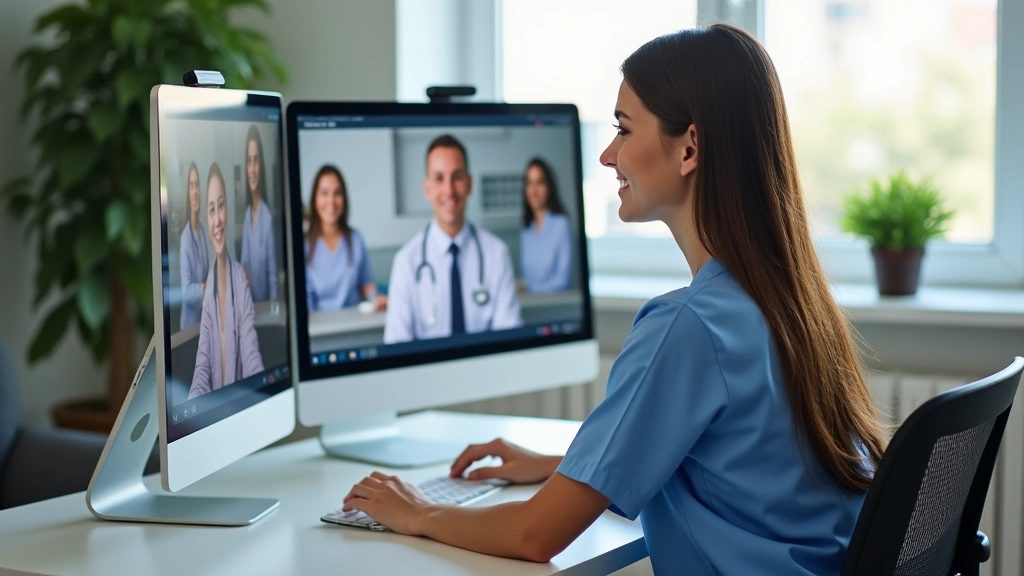
Successful telehealth nurses excel at clear verbal and written communication, as they cannot rely on physical examination cues. Time management is critical when juggling multiple virtual patients and documentation. Clinical assessment skills must be sharp since you’re making care decisions based on patient reports and vital sign data. Healthcare technology integration knowledge helps you navigate various EHR systems and telehealth platforms seamlessly. Equipment investments include a quality webcam, professional headset, and backup internet connectivity.
How Do I Find and Apply for Telehealth Nursing Jobs?
Start by searching major job boards with filters for “telehealth,” “remote,” and “nursing.” Healthcare-specific sites like Nurse.com and FlexRN often feature dedicated telehealth sections. Company websites for Teladoc, Amwell, and other major platforms list current openings. Tailor your resume to emphasize any remote work experience, virtual patient care, EHR proficiency, and measurable outcomes like patient satisfaction scores. During interviews, emphasize your ability to build rapport without in-person interaction and your comfort with technology troubleshooting. Network through nursing associations and LinkedIn groups focused on telehealth to learn about unadvertised opportunities.
Frequently Asked Questions
Do I need prior telehealth experience to get hired?
While previous telehealth experience is advantageous, most employers prioritize solid clinical fundamentals and demonstrated ability to work independently. Your bedside nursing background translates well to virtual care roles.
Can I work telehealth nursing part-time?
Flexibility is a major advantage of telehealth nursing. Many companies allow you to set your own schedules or choose specific shifts, perfect for balancing other commitments.
What states allow telehealth nursing practice?
Check with your state’s nursing board and individual employers about specific licensure requirements, as some may require regulatory compliance documentation for interstate practice.