
What Telehealth Nursing Jobs Are Available for Remote Work?
The nursing profession is experiencing a significant shift toward remote work through telemedicine platforms and virtual care models. Nurses seeking work-from-home opportunities now have numerous options that leverage their clinical expertise while offering flexibility and convenience. This comprehensive guide explores the various telehealth nursing positions available, employer opportunities, qualifications needed, and earning potential for remote healthcare professionals.
What Types of Telehealth Nursing Positions Are Available for Remote Workers?
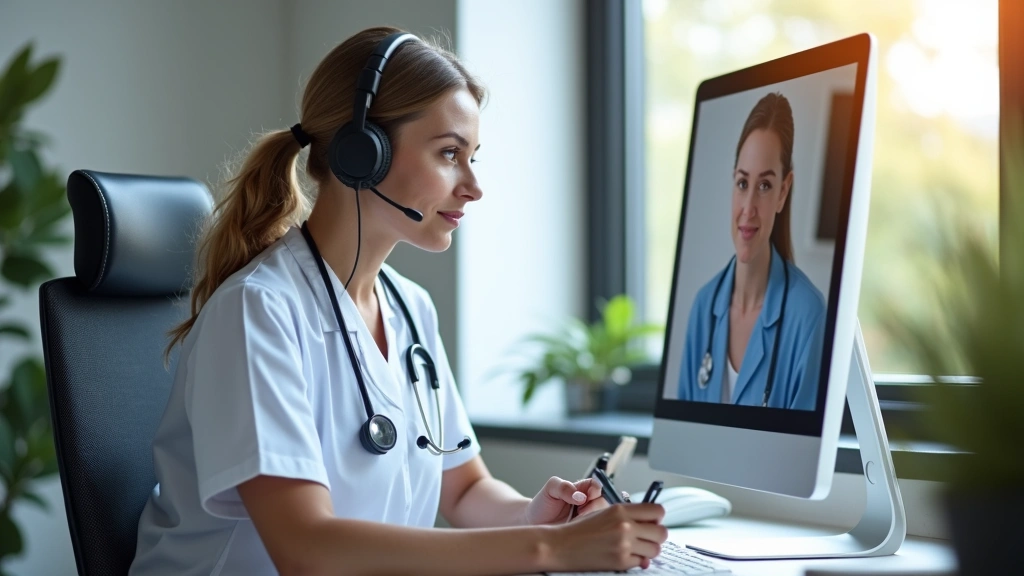
Virtual triage nurses assess patient symptoms through phone or video consultations and determine appropriate care levels. Remote patient monitoring coordinators oversee chronic disease management programs, tracking patient vitals and medication adherence. Telehealth RN consultants provide clinical advice on digital health platforms, while nurse case managers coordinate care between patients and providers, managing insurance authorization and treatment plans.
Which Companies and Platforms Hire Remote Telehealth Nurses?
These platforms employ thousands of nurses across diverse specialties. Teladoc operates the largest virtual care network, while Amwell focuses on integrated digital health solutions. Insurance companies like UnitedHealth and Cigna also hire remote nurses for member support programs. Staffing agencies specializing in telehealth nursing provide additional opportunities across multiple employers.

What Qualifications and Certifications Do You Need?
An active nursing license in your state is mandatory. Most employers require 2-5 years of clinical experience, though entry-level positions exist. Certifications in telehealth nursing, care coordination, or case management strengthen applications. Strong communication skills and comfort with healthcare technology integration are essential for success.
How Much Do Remote Telehealth Nurses Earn?
Compensation varies significantly based on credentials and experience. RNs earn more than LPNs, and specialized certifications command higher rates. Full-time positions often include health insurance, paid time off, and retirement benefits. Part-time and contract work offers flexibility but may lack benefits.
What Are the Advantages and Disadvantages?
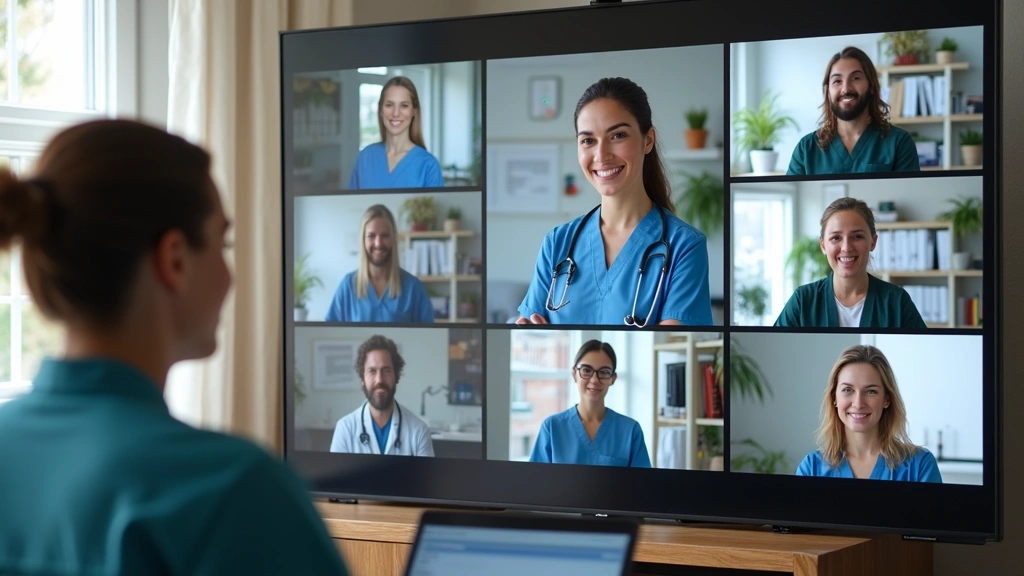
Remote nursing eliminates commuting stress and allows schedule flexibility for caregivers. However, you miss hands-on patient assessment and face-to-face clinical judgment. Success requires reliable internet, dedicated workspace, and self-motivation. Technology troubleshooting and screen fatigue present additional challenges.
What Skills and Technology Do You Need?
Excellent written and verbal communication skills are critical for virtual interactions. Proficiency with electronic health records, video conferencing platforms, and documentation software is essential. A dedicated home office with minimal background noise, stable broadband internet (minimum 25 Mbps), and professional appearance on camera matter for patient trust.
How Do You Find and Apply for Remote Telehealth Nursing Positions?
Specialized job boards for remote work filter telehealth positions effectively. LinkedIn’s job search feature allows filtering by location (remote) and industry. Direct applications to company career pages often yield faster responses. Nursing staffing agencies maintain relationships with major telehealth employers and can expedite placement. Check telehealth provider listings for comprehensive employer databases.
Frequently Asked Questions
Do telehealth nurses need state licensure in multiple states?
The NLC allows nurses licensed in participating states to practice across state lines without additional licenses. Check your state’s nursing board for NLC participation and reciprocal agreements.
Are telehealth nursing jobs suitable for new graduates?
Gain acute care experience first, then transition to telehealth roles. This builds clinical judgment essential for virtual assessments.
What is the job outlook for remote telehealth nurses?
Remote nursing positions are expanding as healthcare systems invest in digital infrastructure and patient convenience becomes a priority.