
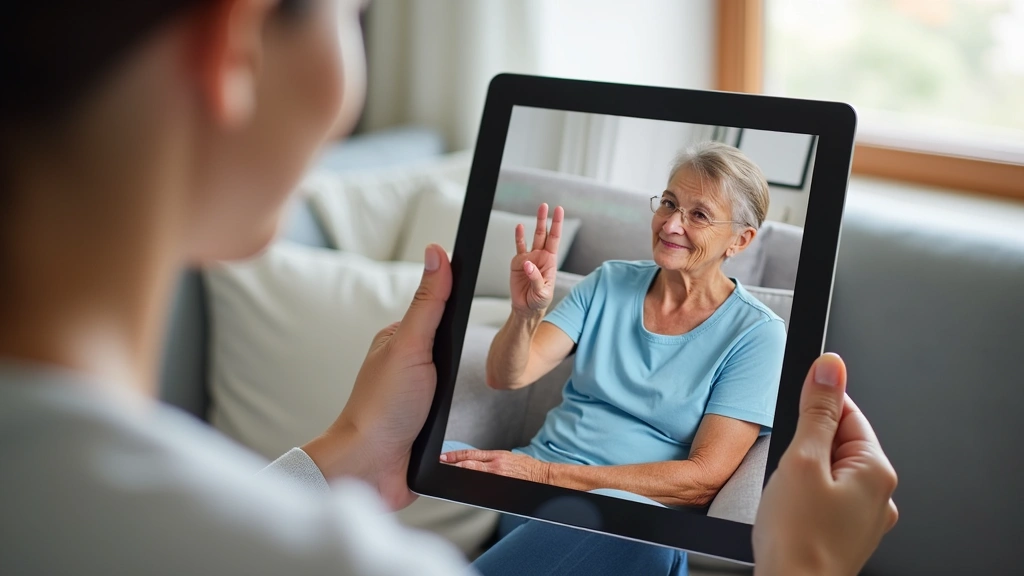
What Is Telehealth Occupational Therapy and How Does It Work?
Occupational therapy (OT) helps people develop, recover, and maintain the skills needed for daily living and work. Telehealth OT extends these services beyond traditional clinical settings, making therapy more accessible to patients in rural areas, those with mobility limitations, and individuals seeking convenient care options. The shift to remote delivery has expanded rapidly, with research showing comparable effectiveness to in-person treatment for many conditions.
As healthcare access continues to evolve, telehealth OT represents a significant advancement in how rehabilitation and functional therapy services reach patients. Understanding how this model works helps patients and families determine if remote therapy is appropriate for their needs.
What Conditions and Patient Populations Benefit Most from Telehealth Occupational Therapy?
Telehealth occupational therapy works exceptionally well for patients recovering from strokes, managing chronic pain, and developing adaptive strategies for daily tasks. Elderly patients benefit significantly, as therapy can occur in their homes without transportation challenges. Children with autism spectrum disorder receive valuable support through remote behavioral coaching and skill development.
How Do Occupational Therapists Conduct Assessments and Treatment Remotely?
During a telehealth session, the occupational therapist conducts a comprehensive assessment by observing how the patient performs everyday tasks in their actual living space. This home-based approach provides authentic insights into functional limitations and environmental barriers. Therapists use video guidance to teach adaptive techniques, recommend home modifications, and demonstrate exercises using readily available household items.
Treatment typically involves real-time coaching, with the therapist observing patient performance and providing immediate feedback. Through remote patient monitoring, therapists track progress between sessions and adjust interventions as needed.

What Are the Advantages and Limitations of Telehealth Occupational Therapy?
Key advantages of telehealth OT include increased accessibility, flexible scheduling, and cost savings. Patients avoid travel time and associated expenses. However, manual therapy techniques requiring hands-on contact cannot be delivered remotely. Complex assessments involving fine motor coordination or balance testing may be limited by the video format.
Is Telehealth Occupational Therapy Covered by Insurance and What Are the Costs?
Insurance coverage for telehealth OT has expanded significantly. Medicare covers remote therapy services when medically necessary. Private insurance plans increasingly include telehealth benefits. Patients should verify coverage with their specific insurance provider, as policies vary. Telehealth platforms often provide transparent pricing and billing assistance.

What Technology and Equipment Do Patients Need?
Basic technology requirements include a smartphone, tablet, or computer with a camera and microphone. A stable internet connection is essential. Patients should have a clear, safe space for movement during exercises. Many therapists provide lists of household items that serve therapeutic purposes, eliminating the need for specialized equipment.
How Effective Is Telehealth Occupational Therapy?
Clinical studies demonstrate that telehealth OT achieves similar functional improvements as traditional therapy for conditions like stroke recovery and arthritis management. Patient satisfaction rates remain high, particularly among those valuing convenience and accessibility. Success depends on patient engagement, therapist expertise, and appropriate condition selection for remote delivery.
Frequently Asked Questions
Can telehealth occupational therapy treat all conditions?
Your therapist will determine if your condition is appropriate for remote delivery during an initial consultation.
How long are telehealth occupational therapy sessions?
Session length depends on your specific treatment goals and insurance coverage.
Is privacy protected during telehealth occupational therapy sessions?
Always confirm your therapist uses secure, encrypted platforms before sharing health information.