

What Telehealth Services Are Available in Ohio?
Telehealth has transformed healthcare access across Ohio, enabling residents to receive medical care from home. Whether you need routine primary care, mental health support, or specialist consultations, Ohio’s telehealth ecosystem provides multiple pathways to quality care. The state’s regulatory framework supports both national platforms and regional providers, creating competitive options for patients.
Understanding your telehealth options in Ohio helps you make informed decisions about your healthcare. This guide covers the major platforms, insurance coverage, service types, and practical steps to access telehealth in the state.
What Telehealth Platforms and Providers Operate in Ohio?
Ohio residents can access telehealth through national platforms and established regional healthcare systems. Teladoc operates statewide and connects patients with board-certified physicians for various conditions. Amwell provides virtual urgent care and specialist consultations. Cleveland Clinic Virtual Care and OhioHealth Virtual Visits leverage local expertise and integrated medical records. AFC Telehealth offers additional options for patients seeking alternative providers. These platforms vary in specialties, wait times, and provider availability.
Are Telehealth Visits Covered by Insurance in Ohio?
Ohio Medicaid expanded telehealth coverage significantly, and commercial insurers typically reimburse telehealth visits at standard copay rates. Medicare covers telehealth services for Ohio beneficiaries, though geographic restrictions have eased. Contact your insurance provider to confirm coverage specifics, as some plans may require network providers or have service limitations.
What Types of Medical Services Can Be Provided Via Telehealth in Ohio?
Ohio telehealth providers offer diverse services suited to virtual delivery. Primary care physicians handle routine checkups and minor ailments. Licensed therapists and psychiatrists provide mental health counseling and medication management. Dermatologists diagnose skin conditions through video consultations. Urgent care providers address acute illnesses like infections and flu symptoms. Prescription management for controlled substances follows strict Ohio regulations but is available through licensed providers.

What Are Ohio’s Telehealth Regulations and Licensing Requirements?
The Ohio Medical Board enforces telehealth regulations ensuring provider licensure and patient safety. Providers must establish proper physician-patient relationships and use HIPAA-compliant platforms. Controlled substance prescriptions require in-person initial evaluations in most cases. Ohio follows federal guidelines from the DEA regarding telehealth prescribing authority.
How Do I Find and Book a Telehealth Appointment in Ohio?
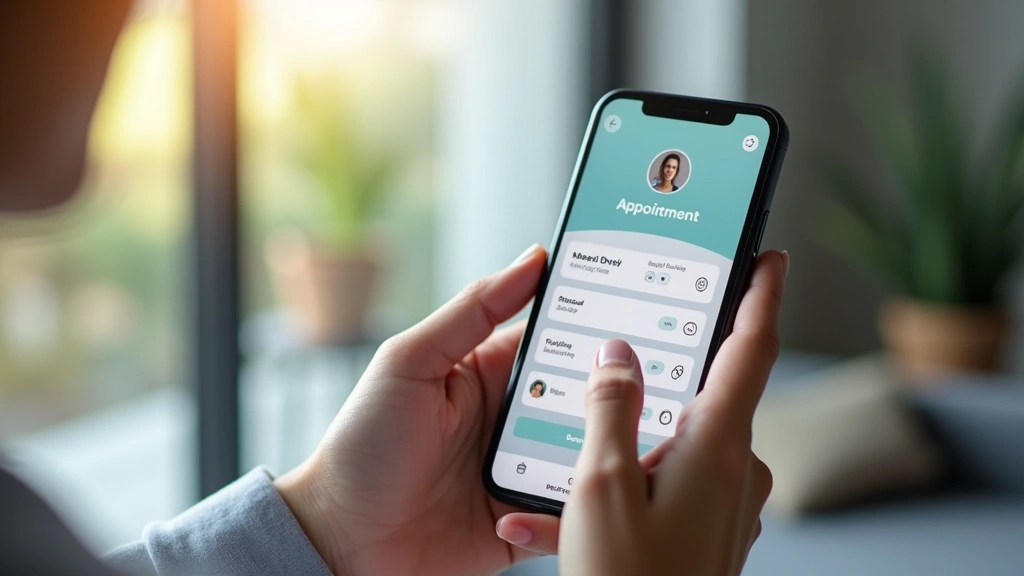
Most Ohio healthcare systems integrate telehealth into existing patient portals. Online appointment scheduling systems allow you to select preferred providers, times, and service types. Insurance company apps often feature in-network telehealth providers with pre-negotiated rates. Third-party platforms offer broader provider networks but may involve additional verification steps.
What Are the Costs of Telehealth Visits in Ohio?
Uninsured patients often pay $40–$100 for basic telehealth visits, while specialists charge $150–$200. Insurance-covered visits usually require only a standard copay ($15–$50). Some platforms offer subscription models for unlimited consultations. Ask providers about cash-pay discounts and transparent pricing before booking.
What Are the Advantages and Limitations of Telehealth in Ohio?
Telehealth eliminates travel time, provides flexible scheduling, and improves healthcare access for rural Ohioans. However, virtual visits cannot replace physical examinations for complex conditions. Technology requirements may challenge elderly or low-income patients. Telehealth works best for follow-up care, mental health support, and non-emergency issues.
Frequently Asked Questions
Can I use telehealth for emergency situations in Ohio?
Urgent care telehealth can address sudden illnesses like infections, minor injuries, and rashes, but true emergencies require emergency services.
Do Ohio telehealth providers require a previous patient relationship?
National platforms like Teladoc and Amwell accept new patients immediately. Local health systems may require prior relationships for certain services.
Are telehealth prescriptions valid at Ohio pharmacies?
Providers send prescriptions electronically to your chosen pharmacy. Ensure the provider is licensed in Ohio to avoid pharmacy rejection.