

What Is Telehealth Physical Therapy and How Does It Work?
Telehealth physical therapy represents a significant shift in how patients access rehabilitation services. Rather than traveling to a clinic, patients connect with licensed physical therapists through secure video platforms, receiving personalized treatment plans tailored to their specific conditions and recovery goals. This digital approach to telemedicine has expanded access to quality physical therapy, particularly for individuals in rural areas or those with mobility challenges.
The process typically begins with an initial assessment where the therapist evaluates your condition through video observation, movement analysis, and detailed questioning. From there, the therapist designs a customized exercise program that you perform at home, with real-time guidance and form correction during sessions. Progress is tracked through regular check-ins and adjustments to your treatment plan based on your improvement and feedback.
What Conditions Can Be Treated with Telehealth Physical Therapy?
Telehealth physical therapy works well for a wide range of conditions. Common treatable issues include shoulder pain, knee injuries, ankle sprains, lower back pain, and post-operative rehabilitation following joint replacements. Patients recovering from strokes, managing Parkinson’s disease, or dealing with chronic conditions like fibromyalgia also benefit significantly. The key is that your condition must be assessable through visual observation and doesn’t require hands-on manipulation techniques.
How Effective Is Telehealth PT Compared to In-Person Physical Therapy?
Multiple clinical studies have demonstrated that telehealth physical therapy produces results comparable to in-person treatment for many conditions. A key factor in success is patient engagement and adherence to the prescribed exercise program. However, some complex cases requiring manual therapy, joint mobilization, or advanced hands-on assessment may still benefit from in-person evaluation and treatment.

What Equipment Do I Need for a Telehealth PT Session?
Getting started with telehealth PT requires minimal equipment. A smartphone, tablet, or computer with a functioning camera and microphone is essential. You’ll need a stable internet connection and ideally 6-8 feet of clear floor space to safely perform exercises. Most therapists suggest having basic items like resistance bands, a chair, and towels available. Your therapist will recommend specific equipment based on your treatment plan and will often suggest affordable alternatives using household items.
How Much Does Telehealth Physical Therapy Cost?
Cost varies based on your location, the provider, and your insurance coverage. Without insurance, expect to pay between $50-150 per 30-60 minute session. Most major insurance plans now cover telehealth physical therapy at the same copay or coinsurance rate as traditional in-person PT. Many employers’ health plans include coverage for remote patient monitoring services, which may reduce your out-of-pocket costs.
What Are the Advantages of Telehealth Physical Therapy?
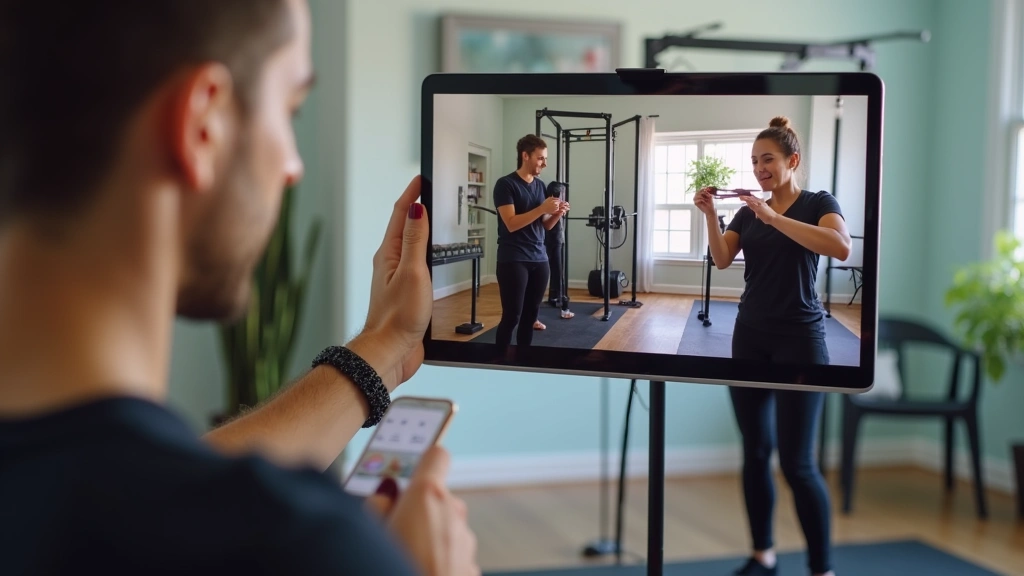
Telehealth PT eliminates travel time and allows you to receive treatment from your home, making it ideal for patients with limited mobility or those in underserved areas. Scheduling is typically more flexible, with evening and weekend appointments available. You exercise in a familiar environment, which can reduce anxiety and improve adherence to your program. Additionally, telehealth reduces exposure to pathogens and provides better privacy for some patients.
Are There Limitations or Disadvantages to Telehealth PT?
Telehealth PT cannot provide manual therapy, such as soft tissue mobilization or joint manipulation, which some patients may require. The therapist relies solely on visual observation, making it harder to detect subtle movement compensations or assess joint mobility through palpation. Technical difficulties with video connectivity can disrupt sessions, and some patients may feel less motivated without in-person accountability.
How Do I Find and Choose a Telehealth Physical Therapist?
Start by checking your insurance provider’s list of in-network telehealth physical therapists. You can also use platforms like Hinge Health, Sword Health, or your state’s physical therapy licensing board to find qualified providers. Verify that therapists are licensed in your state and have experience treating your specific condition. Reading patient reviews and scheduling a brief consultation call can help you determine if a therapist is the right fit for your needs.
Frequently Asked Questions
Is telehealth physical therapy covered by insurance?
Coverage varies by insurance company and plan type. Contact your insurer to confirm they cover telehealth physical therapy and understand your copay or coinsurance requirements. Medicare and many commercial plans now include telehealth PT coverage.
Do I need a doctor’s referral for telehealth physical therapy?
Many states allow direct access to physical therapy, meaning you can schedule without a referral. However, your insurance may require one for coverage. Check your state’s regulations and insurance policy before booking your first session through a telehealth platform.
How long does it take to see results from telehealth physical therapy?
Results depend on your condition, adherence to exercises, and overall health. Acute injuries often improve faster than chronic conditions. Consistent participation in your prescribed home exercise program is crucial for optimal outcomes.