
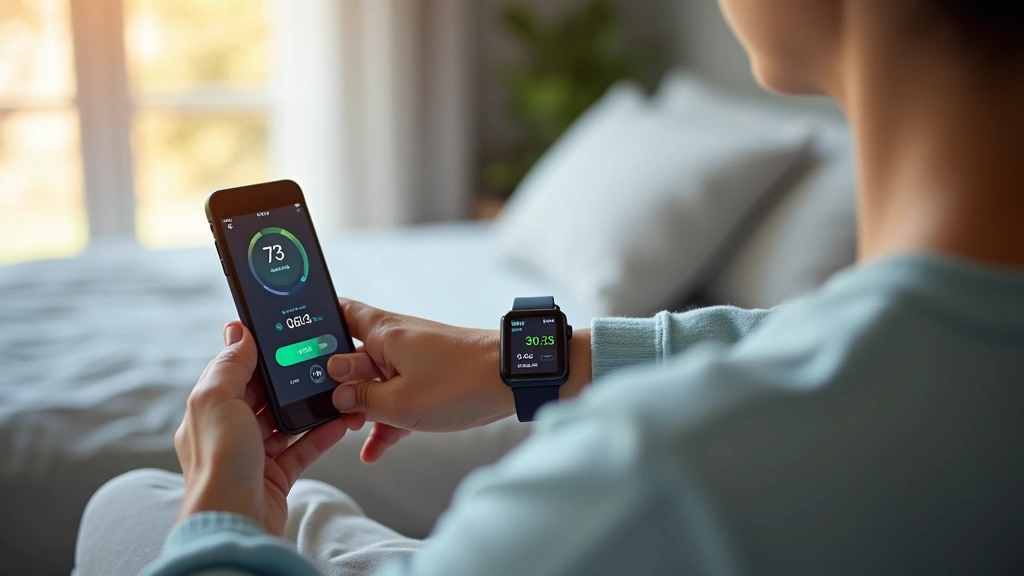
What Is Vital Health and Why Is It Important?
Vital health encompasses the measurable indicators that healthcare providers use to assess your immediate physical condition and long-term wellness trajectory. These metrics serve as early warning systems for potential health issues, allowing both patients and doctors to intervene before serious conditions develop. Understanding vital health is essential in today’s healthcare landscape, where virtual doctor visits and remote monitoring have made health tracking more accessible than ever.
Your vital health status directly influences your ability to perform daily activities, resist infections, manage chronic conditions, and achieve longevity. Regular monitoring empowers you to make informed decisions about lifestyle, nutrition, and medical care.
What Are the Key Vital Signs That Indicate Good Health?
The four core vital signs form the foundation of vital health assessment. Body temperature (normal: 98.6°F) indicates infection or metabolic function. Heart rate (60-100 bpm for adults) reflects cardiovascular efficiency. Blood pressure (120/80 mmHg or lower) shows arterial health. Respiratory rate (12-20 breaths per minute) reveals lung function. Together, these metrics provide a comprehensive snapshot of your physiological state.
How Can I Monitor My Vital Health at Home?
Home monitoring technology has democratized vital health tracking. Wearable devices continuously monitor heart rate and sleep patterns. Digital blood pressure cuffs provide accurate readings in seconds. Pulse oximeters measure oxygen saturation. Many of these devices sync with smartphone apps and can be shared with healthcare providers through healthcare digital transformation platforms, enabling proactive care management.

What Factors Affect Vital Health the Most?
Lifestyle factors are the primary drivers of vital health. Poor sleep elevates resting heart rate and blood pressure. Chronic stress triggers sustained cardiovascular changes. Sedentary behavior weakens respiratory capacity. Dehydration affects blood pressure regulation. Managing these factors through consistent exercise, balanced nutrition, and stress reduction creates measurable improvements in vital health markers.
How Do Telehealth Platforms Measure Vital Health?
Modern telehealth platforms integrate connected devices that automatically transmit vital data to providers. Patients report symptoms and measurements through secure apps. This continuous data stream enables providers to identify trends and intervene early, improving outcomes while reducing unnecessary emergency visits.
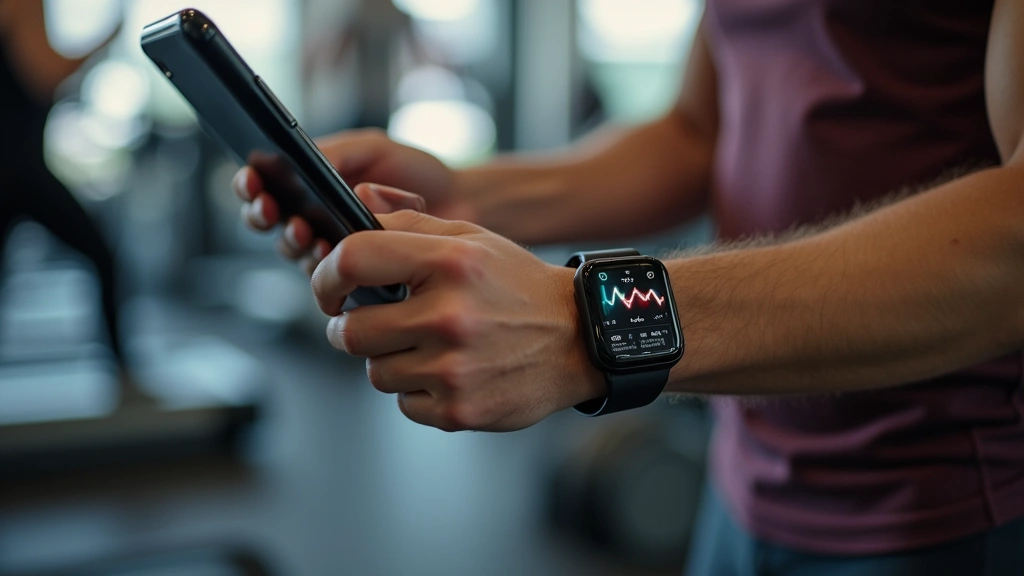
When Should I Seek Medical Attention for Abnormal Vitals?
Emergency warning signs include systolic blood pressure above 180 mmHg, heart rate exceeding 120 bpm at rest, oxygen saturation below 90%, or respiratory rate above 30 breaths per minute. For persistent abnormalities lasting more than a few hours, contact your healthcare provider. Medical advice from qualified professionals ensures proper interpretation of your vital data.
Frequently Asked Questions
How often should I check my vital health?
Wearable devices provide continuous monitoring, while home checks 2-3 times weekly establish baseline patterns for comparison.
Can vital health improve with lifestyle changes?
Research shows consistent lifestyle modifications can lower blood pressure by 10-15 mmHg and reduce resting heart rate by 5-10 bpm.
Is vital health the same as overall health?
Vital signs are objective markers that contribute to comprehensive wellness assessments. For additional information on healthcare access, consult qualified medical professionals.