
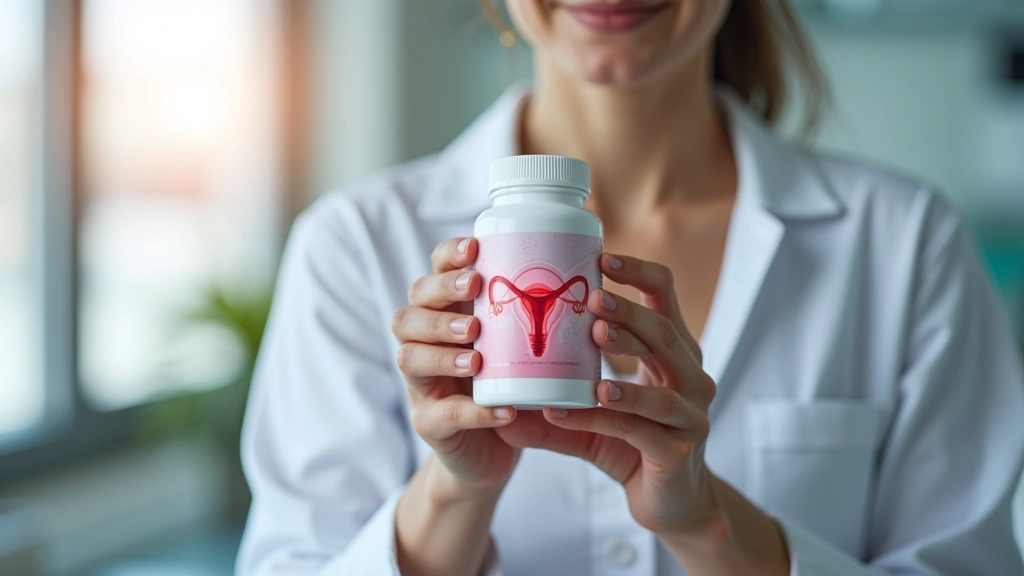
What Are Women’s Health Probiotics and How Do They Work?
The vaginal microbiome is a delicate ecosystem dominated by Lactobacillus species that produce lactic acid, creating an acidic environment that prevents harmful bacteria from thriving. When this balance is disrupted—due to antibiotics, sexual activity, hormonal changes, or douching—women become vulnerable to bacterial vaginosis, urinary tract infections (UTIs), and yeast overgrowth. Women’s health probiotics restore and maintain this protective bacterial balance.
Unlike general digestive probiotics, women’s health formulations target the specific microbial needs of the vaginal and urinary tract ecosystems. These specialized supplements have become increasingly popular as women seek natural approaches to gynecological health alongside conventional medical care.
What Specific Health Benefits Do Women’s Probiotics Provide?
The primary benefits include preventing recurrent UTIs—research shows probiotics can reduce infection rates by up to 50% in susceptible women—and managing bacterial vaginosis symptoms. Additionally, they support immune function in the reproductive tract and help maintain optimal vaginal acidity, which naturally inhibits pathogenic bacteria and fungi.
Which Probiotic Strains Are Most Effective for Women’s Health?
L. crispatus is considered the gold standard for vaginal health, as it’s the dominant protective strain in healthy vaginal microbiomes. L. gasseri and L. reuteri have strong evidence for UTI prevention, while L. rhamnosus supports immune response. Quality women’s health probiotics contain multiple complementary strains in sufficient quantities (typically 10-50 billion CFU) to be effective.

How Do Women’s Health Probiotics Differ From Regular Probiotics?
General probiotics often contain Bifidobacterium and Lactobacillus plantarum strains optimized for digestive health, which don’t effectively colonize vaginal tissue. Women’s formulations use strains that naturally inhabit and thrive in the vaginal environment. Some women’s probiotics are designed as vaginal inserts for direct delivery, while others are oral supplements that support systemic and localized immunity.
What Does Scientific Research Say About Women’s Probiotic Effectiveness?
Multiple studies published in peer-reviewed journals demonstrate that specific Lactobacillus strains reduce recurrent UTI incidence. Research from the National Institutes of Health supports probiotics for bacterial vaginosis management, though effectiveness varies based on strain selection and individual microbiome composition. The CDC acknowledges probiotics as a complementary approach to gynecological health, though they recommend consulting healthcare providers.

Are There Side Effects or Risks Associated With Women’s Health Probiotics?
Most women tolerate probiotics well, though some experience temporary bloating or mild discharge changes during initial use. Immunocompromised individuals should discuss probiotic use with their healthcare provider through virtual doctor visits before starting supplementation. Serious adverse events are extremely rare with quality products from reputable manufacturers.
How Should Women Take Probiotics for Optimal Health Benefits?
Consistency is crucial—daily supplementation for at least 4-8 weeks allows beneficial bacteria to establish and colonize the vaginal microbiome. Oral supplements should be taken with food to improve survival through stomach acid, while vaginal inserts are typically used before bed. Store products according to package instructions, as many require refrigeration to maintain bacterial viability. Consider discussing your specific treatment options with a healthcare provider to determine the best formulation for your needs.
Frequently Asked Questions
Can women’s probiotics prevent yeast infections?
Probiotics create an acidic environment that inhibits yeast growth, but individual results vary significantly. They work best as preventive maintenance rather than acute treatment.
How long does it take to notice probiotic benefits?
Patience and consistency are essential—discontinuing too early prevents beneficial bacteria from fully establishing their protective colonies in the vaginal microbiome.
Should women take probiotics during antibiotic treatment?
Spacing probiotics away from antibiotics prevents the medication from killing the beneficial bacteria. Continue supplementation for 2-4 weeks after antibiotic completion to fully restore microbiome balance. Consult your healthcare provider about prescribing recommendations for your specific situation.